Smart Jiangsu: Exploring Lighthouse manufacturers in the Province
The "Lighthouses", hailed as the most advanced factory in the world, serves as a model for digital manufacturing and globalization 4.0, and represents the highest level of intelligent manufacturing and digitization in the global manufacturing industry today. In December 2023, the World Economic Forum announced the latest list of the Global Lighthouse Network, which includes 62 in China, with Jiangsu leading the pack with 12, ranking first in the country.
1. SAIC Maxus Nanjing Factory (Nanjing, Jiangsu)
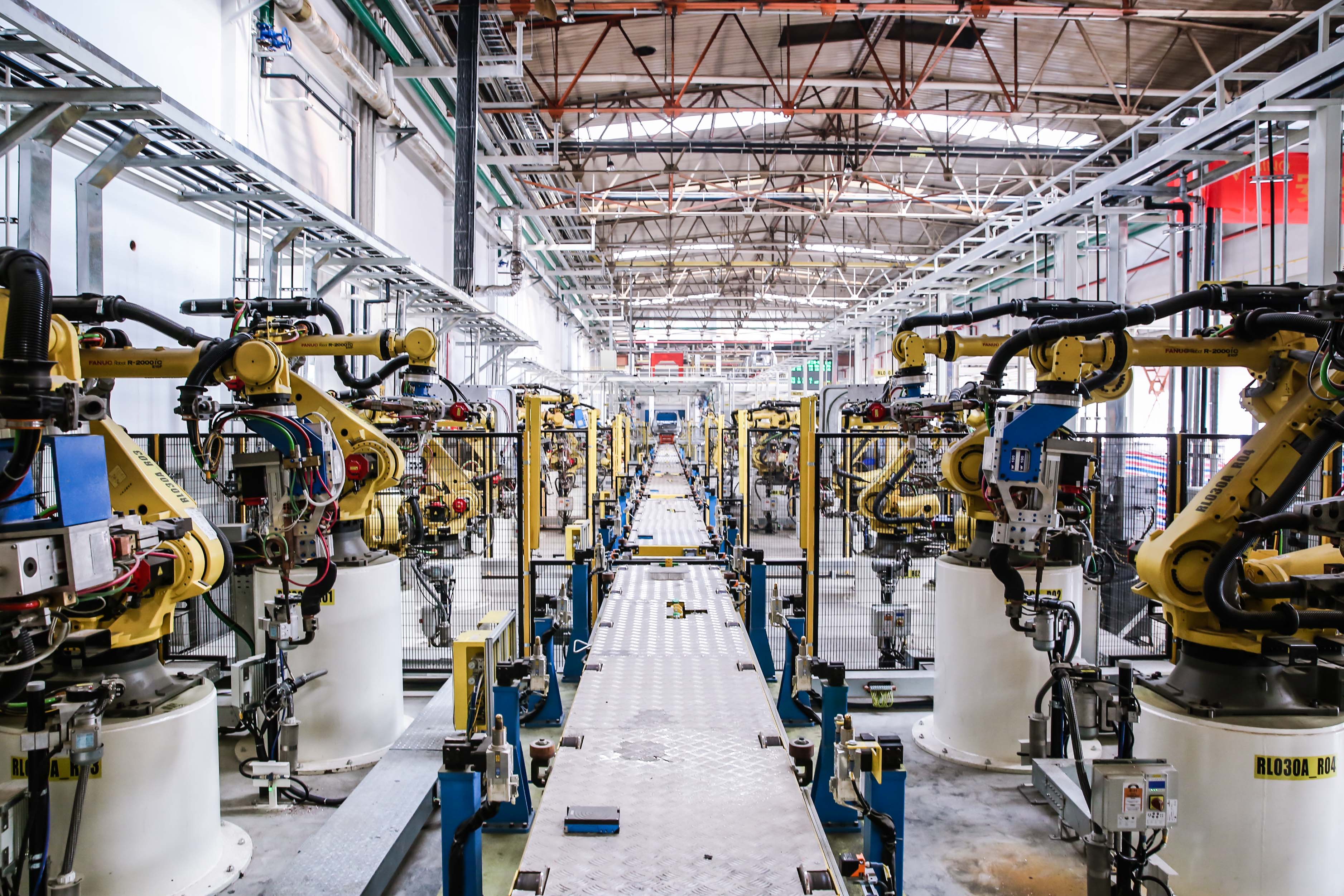
SAIC Maxus Nanjing Factory is the first Chinese complete vehicle enterprise selected for the Global Lighthouse Network. This C2B factory focuses on meeting user demands, driving the intelligent upgrade of the entire manufacturing system, and integrating the C2B large-scale personalized intelligent customization concept into the production process. By implementing an integrated digital mainline, the factory applies digitization across the end-to-end value chain from customers to suppliers, increasing sales volume while reducing costs.
2. Schneider Electric Wuxi Factory (Wuxi, Jiangsu)
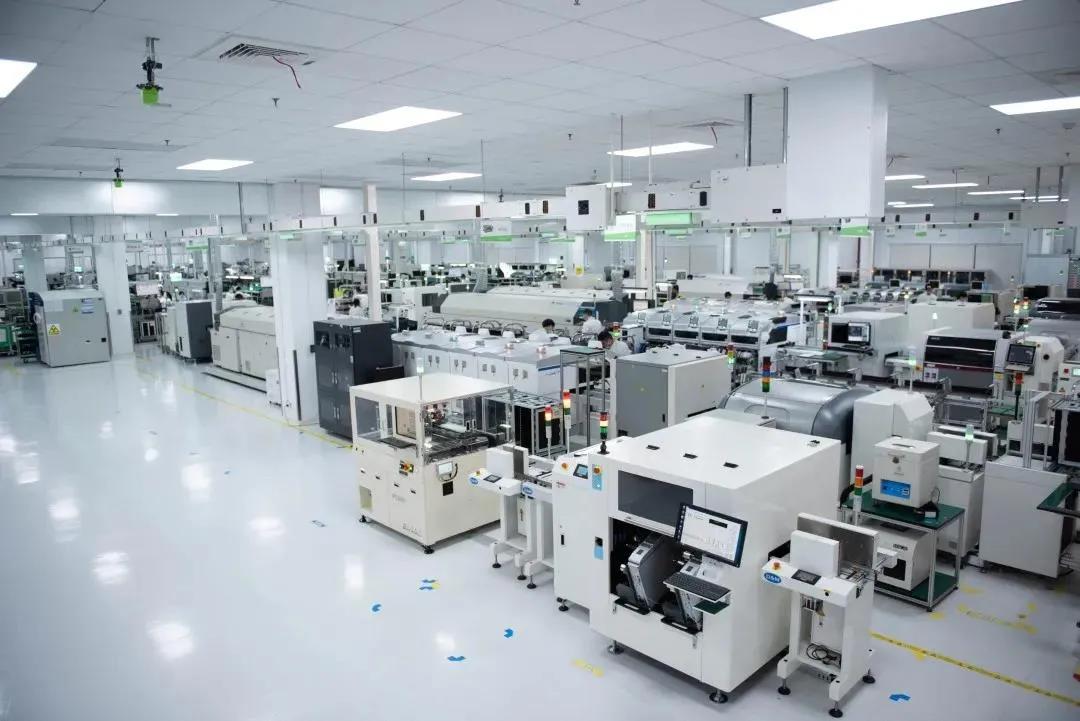
The Wuxi Factory is the only electronic capability manufacturing center of Schneider Electric among its 23 factories in China. In order to cope with the increasingly frequent production changes and order configuration requirements, it has established a flexible production line, integrating the fourth industrial revolution technologies, such as modular human-machine collaboration workstations and artificial intelligence visual inspection. This has shortened the time to market by 25%. Advanced analytics technology is used to automatically analyze the root causes of problems and detect anomalies throughout the entire supply chain, increasing on-time delivery rates by 30%.
3. Bosch Automotive Wuxi Factory (Wuxi, Jiangsu)
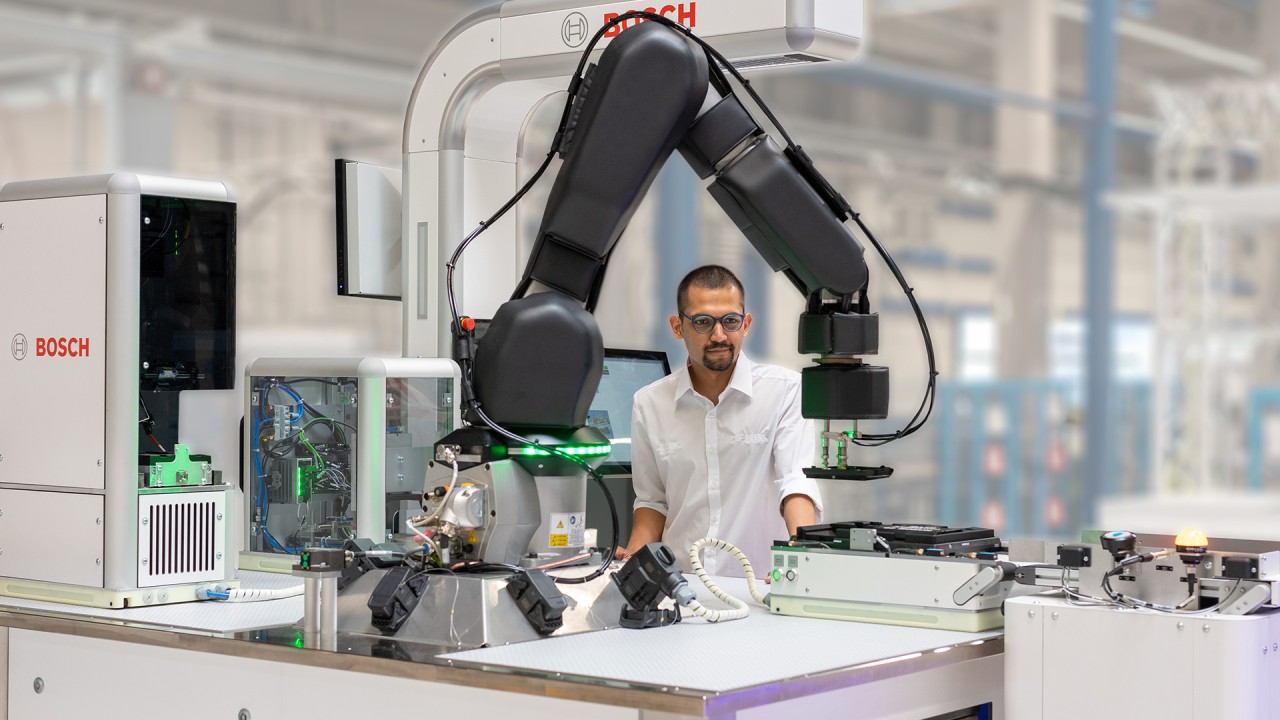
Bosch Automotive Wuxi Factory mainly produces products, such as common rail injectors and components for exhaust-gas aftertreatment systems. By establishing a "build-to-order" product customization platform and utilizing remote AI technology to predict maintenance needs in advance, it performs 20%-50% higher than conventional factories.
4. CITIC Pacific Special Steel Jiangyin Factory (Jiangyin, Jiangsu)
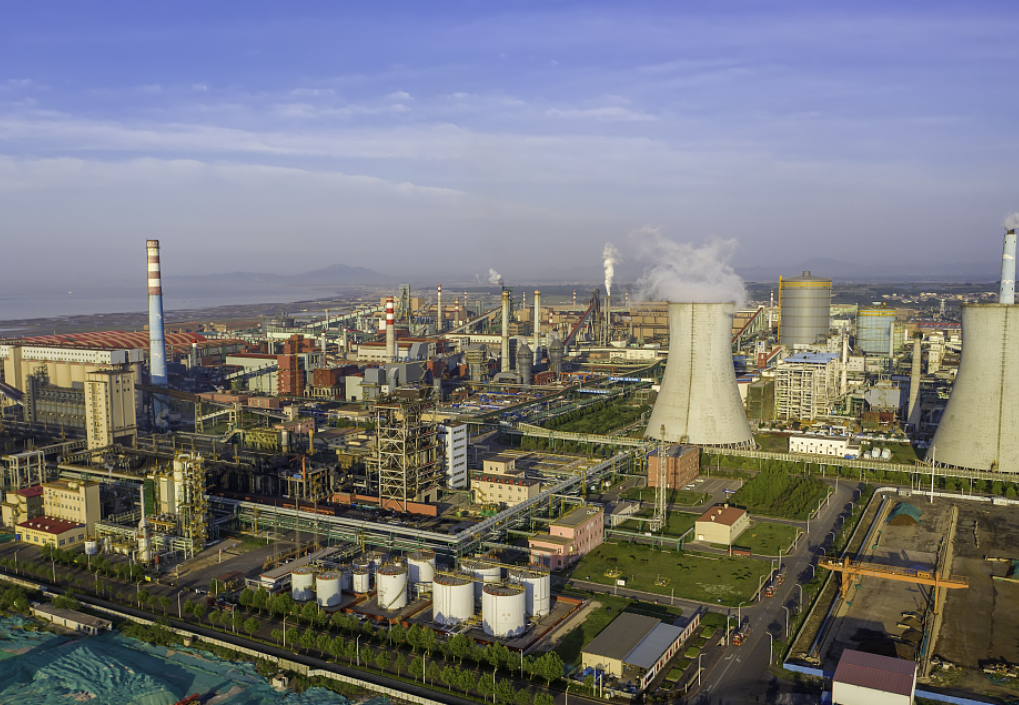
CITIC Pacific Special Steel Jiangyin Factory, also known as Jiangyin Xingcheng Special Steel Co., Ltd., focuses on six major modules: iron, steel, rolling, energy, environment, and R&D. It realizes the integration of "smart interconnection, smart factory, smart equipment, and IT infrastructure", promoting the transformation of the special steel industry from traditional manufacturing to intelligent manufacturing. The factory has seen a 35.3% increase in customized orders, a 47.3% reduction in non-conforming products, and a 10.5% decrease in the energy consumption per ton of steel, achieving an organic unity of high customization, high quality, high efficiency, and sustainability.
5. CATL Liyang Factory (Liyang, Jiangsu)
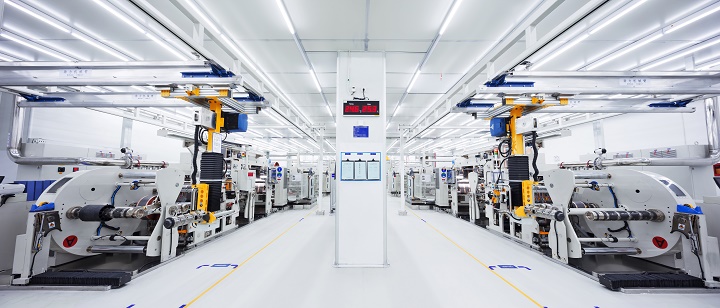
CATL Liyang Factory, namely Jiangsu Times New Energy Technology Co., Ltd., is a wholly-owned subsidiary of CATL in Changzhou. By applying technologies such as AI and big data to intelligentize the entire process, from planning and process management to production, manufacturing, and logistics, the factory has increased production line efficiency by 320%, reduced manufacturing costs by 33%, lowered the single-cell failure rate from one in a million to one in a billion, and can assemble battery modules for over 2,000 new energy vehicles per day.
6. Hengtong Alpha Optic-Electric Suzhou Factory (Suzhou, Jiangsu)
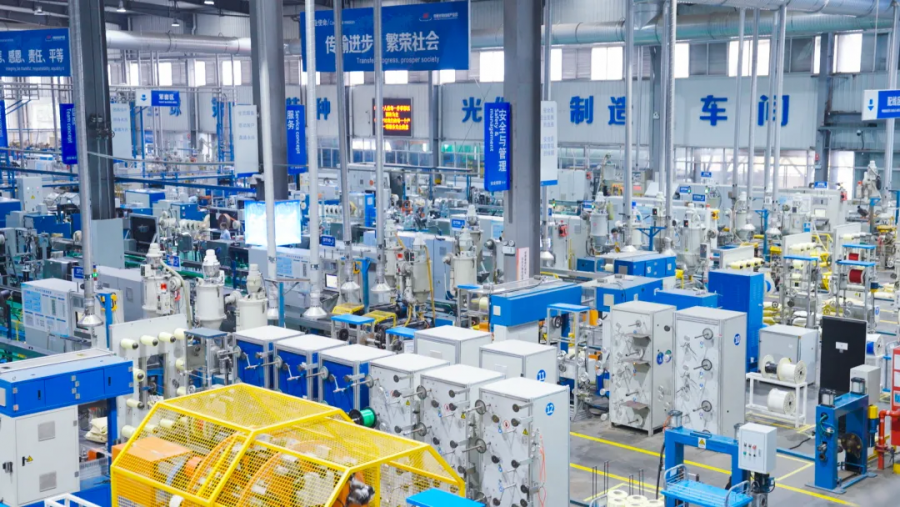
Hengtong Alpha Optic-Electric Suzhou is the world's first Lighthouse in the optical communication industry. Faced with higher cost pressures and international market expectations for quality and green production, Hengtong Alpha has accelerated the large-scale application of advanced analytics, machine vision, and AI technologies, deploying and implementing 27 advanced use cases and covering the entire production process. After effective implementation, unit manufacturing costs have decreased by 21%, defect rates have been reduced by 52%, and unit energy consumption has decreased by 33%.
7. Mondelēz Suzhou Factory (Suzhou, Jiangsu)
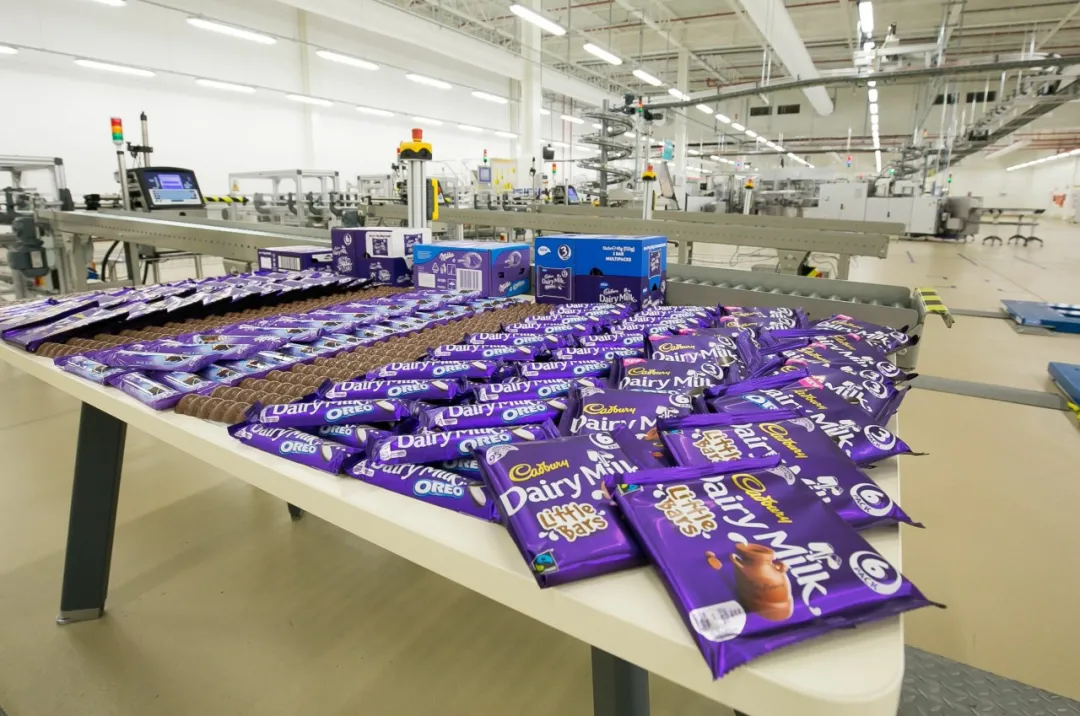
Mondelēz International (Suzhou) Co., Ltd. is the first Lighthouse in the global snack and biscuit industry. In order to achieve the goal of doubling its presence in the Chinese retail channel and increasing the number of its retail stores to 4 million, as well as to address the double-digit inflation caused by rising labor and logistics costs, the company has transformed its linear supply chain into an integrated supply ecosystem with Fourth Industrial Revolution technologies such as AI, 3D printing, and big data analysis. This comprehensive digital transformation of the industry has increased OTIF by 18%, reduced delivery time by 32%, and increased market share from 23.4% to 28.3%.
8. Bosch Automotive Suzhou Factory (Suzhou, Jiangsu)
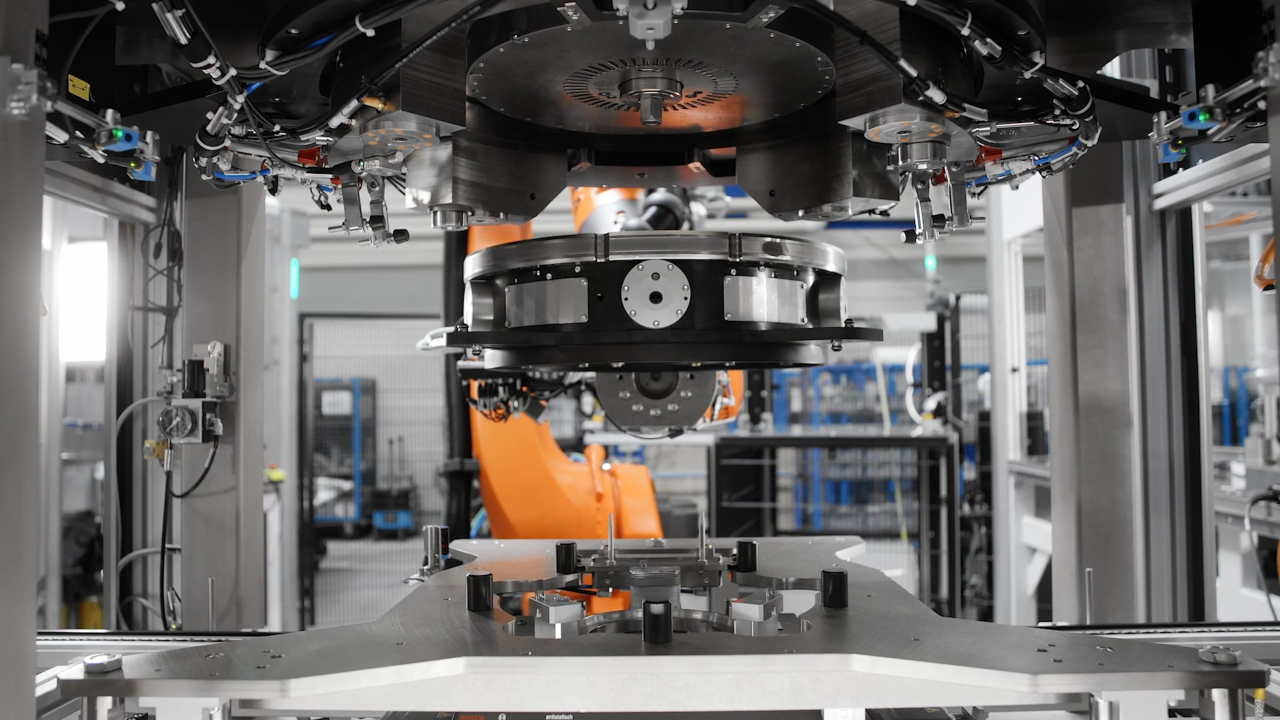
Bosch Automotive Suzhou Factory, namely Bosch Automotive Parts (Suzhou) Co., Ltd., is specialized in the research and production of automotive components and providing IoT products, Industry 4.0 solutions, etc. It is one of the largest production and R&D centers of Bosch Group globally. As a leading manufacturer within the group, Bosch Suzhou has implemented a digital transformation strategy in production and logistics, reducing production costs by 15% and improving product quality by 10%.
9. Johnson & Johnson MedTech Suzhou Co., Ltd. (Suzhou, Jiangsu)
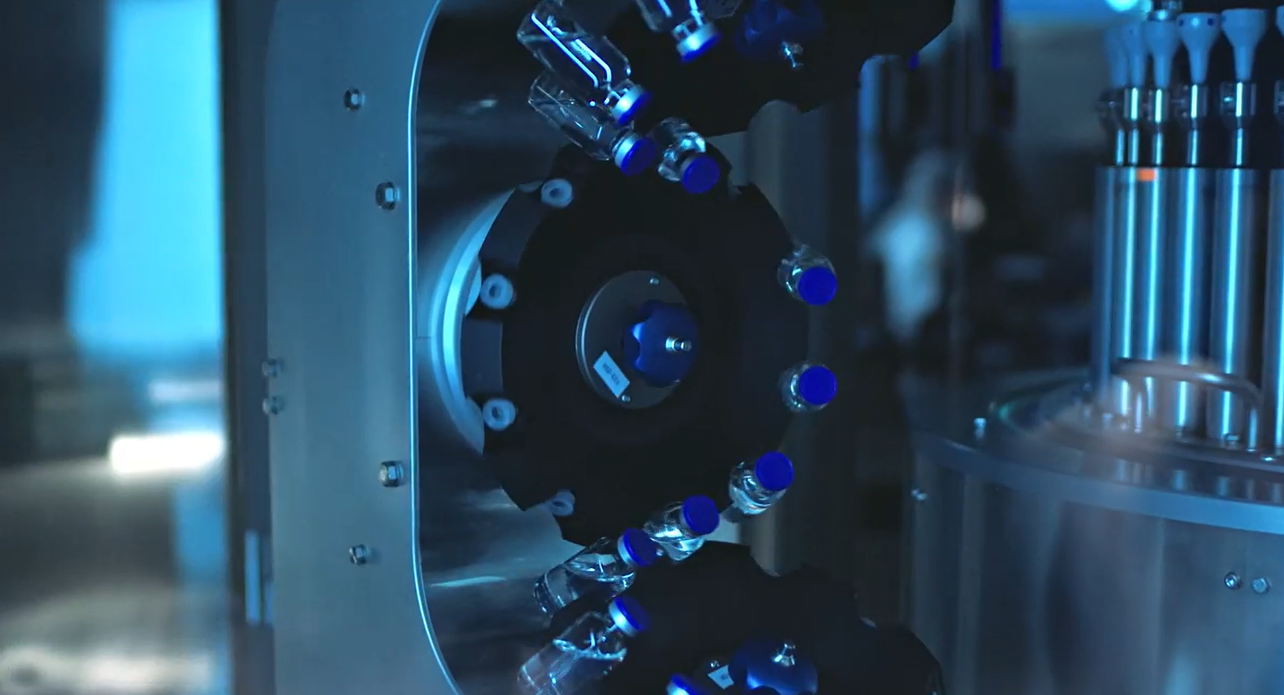
Johnson & Johnson MedTech Suzhou Co., Ltd. is committed to the research and manufacturing of medical apparatus. The company has initiated innovations in various aspects such as "robotics and process automation", "digital connectivity between production devices", "digital performance management", "optimization system of advanced planning", and "VR training and operation simulation". It systematically interconnects various production elements, leading to enhanced performance, including a 15% increase in productivity.
10. Wistron Kunshan Factory (Kunshan, Jiangsu)
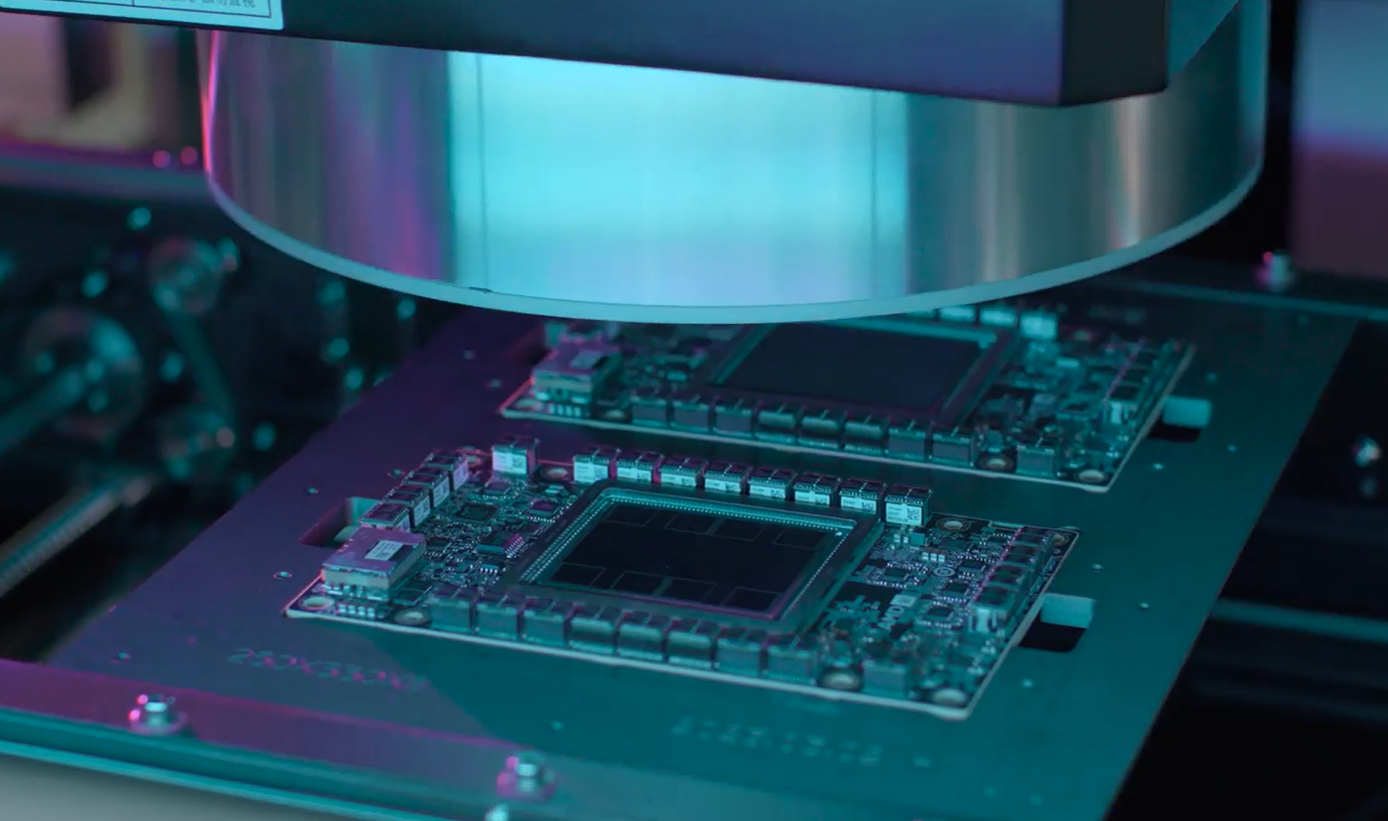
Wistron is one of the world's largest ODM professional manufacturing companies, dedicated to producing ICT products (Information and Communication Technology products). To address the challenges of "multi-variety, small-batch" operations, Wistron leverages AI, Internet of Things, and flexible automation technologies to improve employee, asset, and energy efficiency in production, logistics, and supplier management, reducing production costs by 26% and energy consumption by 49%.
11. Unilever Taicang Factory (Taicang, Jiangsu)
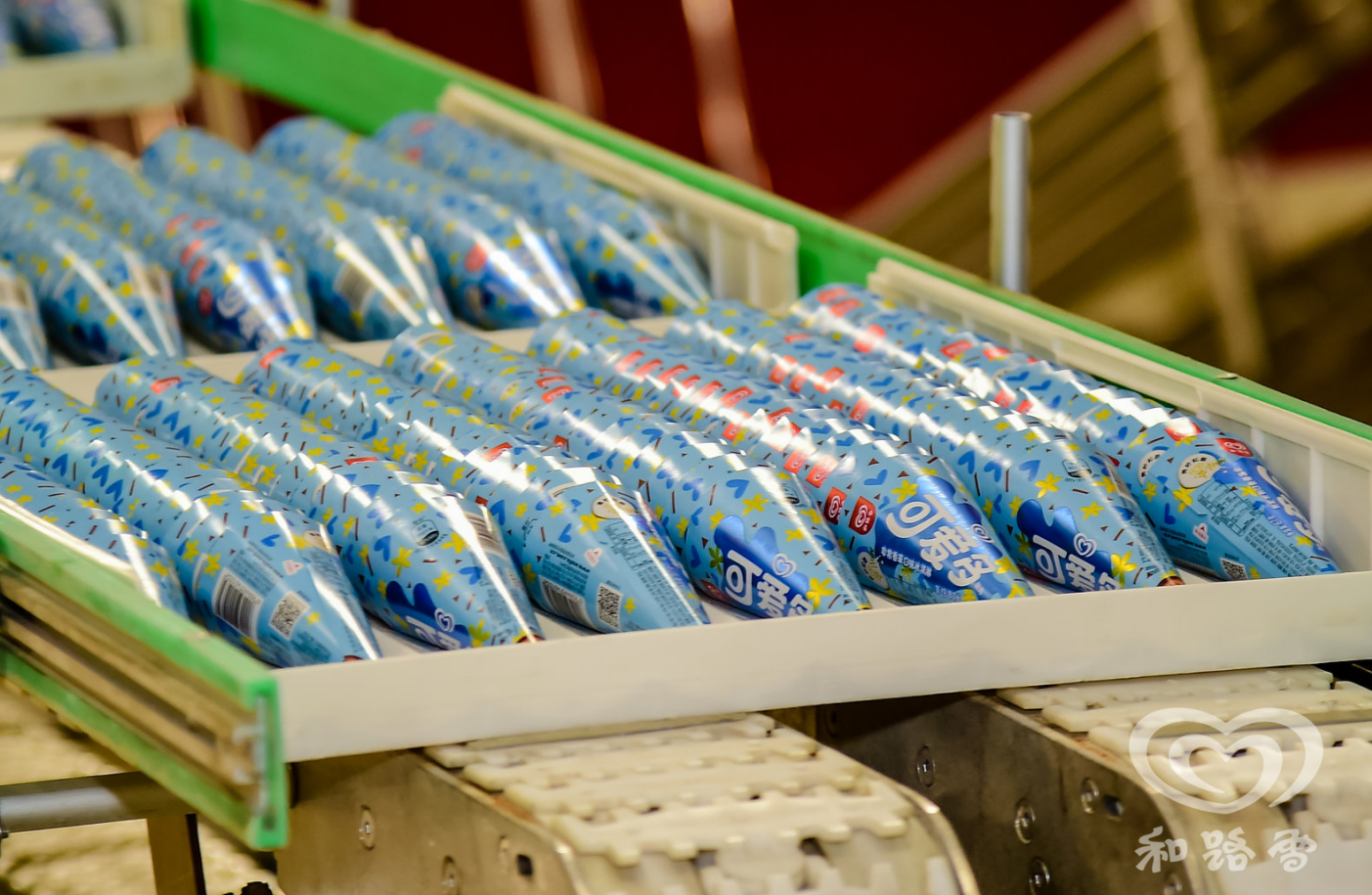
Unilever Taicang Factory is the largest ice cream production base in the North Asia region for Unilever Group, and also the world's first Lighthouse in the ice cream industry. In order to seize the booming business opportunities in e-commerce and large-scale retail channels, the factory has deployed a one-time scanning, and one-stop viewing platform to create an end-to-end transparent supply chain for customers in manufacturing and food processing. In response to consumers' digital needs, a flexible digital R&D platform has been created, which shortens the innovation cycle by 75% from the original 12 months to 3 months.
12. Procter & Gamble Taicang Factory (Taicang, Jiangsu)
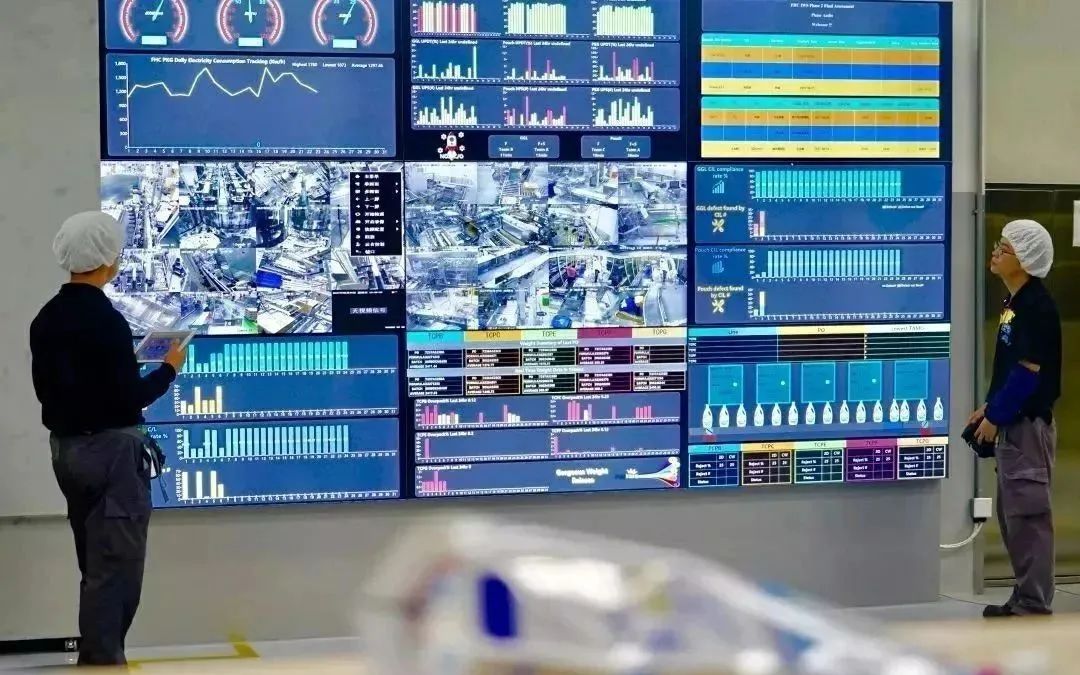
The Procter & Gamble Taicang factory is P&G's 10th plant in China and its logistics distribution center in the eastern part of the country. The P&G Taicang factory fully adopts the technology of the Fourth Industrial Revolution and has established the first "lights-out operation system" in P&G Asia, connecting its end-to-end supply chain. This has increased the production efficiency by 2.5 times and improved production flexibility, thus supporting e-commerce growth and enhancing employee satisfaction.