Ancient town creates new model for development of cultural and tourism industry
Experts and scholars from the animation industry all over the country gathered in Tongli town, Wujiang District of Suzhou city on Tuesday in the Tongli of the World and Hometown of Animation event to explore the establishment of a new stage in the animation industry.
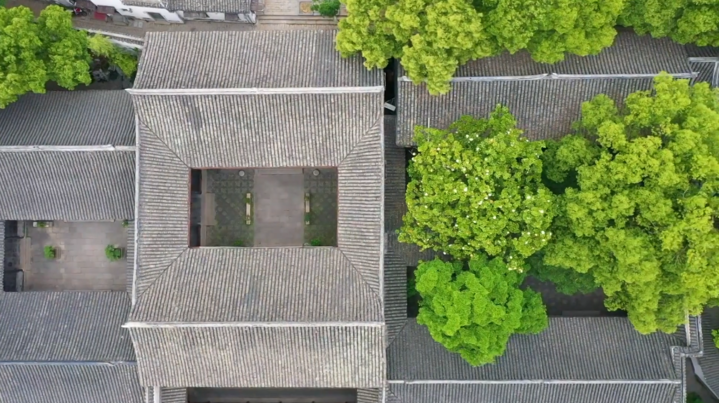
From Yang Zuotao, known as the "first person in Chinese animation", to Qian Jiajun, a famous Chinese animation director, two "masters of Chinese animation art" have walked out of the ancient town of Tongli to become important cultural landmarks of China's animation industry. The Tongli of the World and Hometown of Animation event showcasedthe inheritance and innovation of Chinese animation by including exhibitions, seminars, and animated film screenings.
Xue Run, Deputy General Manager of Suzhou Tongli International Tourism Development Co., Ltd., was quoted that they have introduced a collaborative approach to recommend similar anime information to more tourists so as to empower the millennium old ancient town with more new industries and innovation in cultural and tourism development.
The Yangtze River Delta Creative Base of China Animation Society was unveiled in addition to an animation industry resource matchmaking event in a bid to promote the deep integration of the animation culture and the cultural tourism resources.
Xue Feng, Dean of the School of Media at Nanjing University of the Arts, shared that the Chinese Animation Society has settled in the ancient town of Tongli its animation resource base in the Yangtze River Delta in the hope of better empowering the local economic industry, giving play to Suzhou's high-quality cultural and economic resources, and boost the further development of China's animation industry that will generate international promotion force.
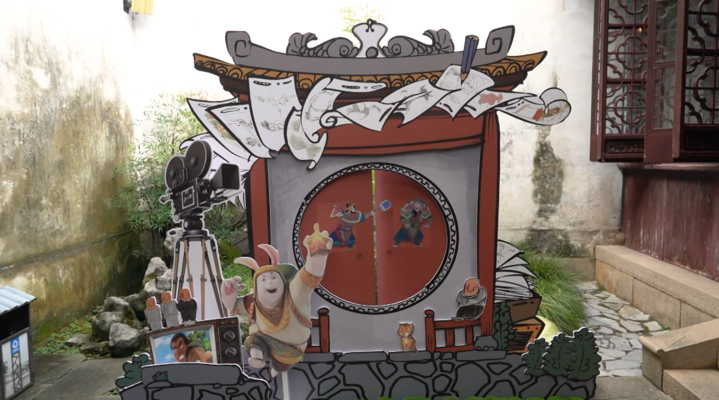
In the future, Suzhou will continue to introduce animation industry resources, create a new highland of animation culture in the Yangtze River Delta, explore the development of "animation+cultural tourism" in the new era, and create a new benchmark for the development of the cultural industry.