Keywords in Jiangsu’s science and technology innovation trends②
2024 is a pivotal year for achieving the goals outlined in the 14th Five-Year Plan. Last year, Jiangsu ranked second nationwide in innovation capacity and led in fostering new and emerging unicorn enterprises. Highlights such as Nanjing University's discovery of experimental evidence of graviton-like particle, Changzhou's assembly of the world's largest unmanned cargo aircraft and 13 innovative drug approvals showcased Jiangsu's significant scientific and technological advances.
The year 2025 marks the conclusion of the 14th Five-Year Plan. Deputies to Jiangsu Provincial People's Congress and members of Jiangsu People's Political Consultative Conference shared their insights on Jiangsu's science and technology innovation trends.
Keyword: Commercialization of Scientific and Technological Achievements
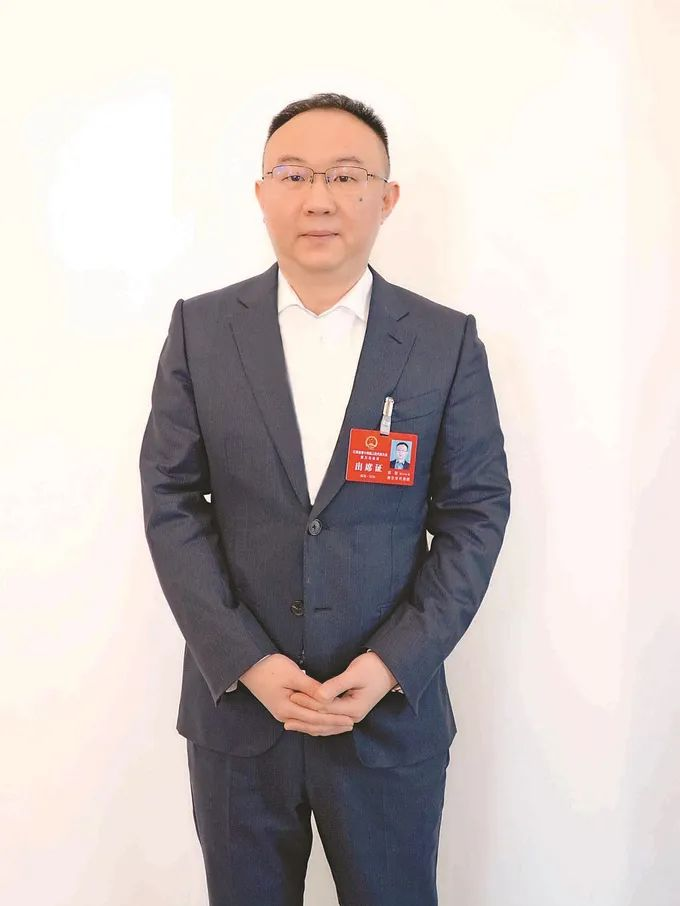
Shao Yang
Jiangsu's Government Work Report outlines plans to drive new-quality productive forces through science and technology while furthering reform and high level of opening-up. This policy framework injects new vitality to the biomedical industry. Shao Yang, chairman of Nanjing Shihe Gene Biotechnology, noted Jiangsu's strong biomedical foundation, technological capabilities, and product competitiveness. The company will prioritize the commercialization of scientific and technological achievements in 2025.
In the past year, Shihe Gene focused on scientific and technological innovation, strengthened talent cultivation, and overcame significant technical hurdles. In April, the company won the Second Prize of the National Science and Technology Progress Award for game-changing breakthroughs in the treatment of lung cancer. In November, following the approval of two NGS reagents, another core product of the company, addressing the need for NGS liquid biopsy in China, entered the green pathway for approval of innovative medical devices.
The medical and healthcare industry concerns "the major needs of the country, and the health and safety of the people". Shao Yang said that with Jiangsu's strategic leadership, significant progress has been made in the province's biomedical sector. In the future, optimized regulations could add momentum to innovative product R&D and ensure high-quality development of biomedicine.
Shao also announced that in the coming year, the company will deepen its cooperation with universities and research institutions, promote industry-university research collaboration and the commercialization of scientific and technological achievements, as well as enhance synergetic innovation in the industrial cluster. Additionally, the company will strengthen overseas product registration, expand markets, and provide technical services, aiming to achieve global breakthroughs and contribute to the international growth of Jiangsu's biomedical industry.
Keyword: Low-altitude Economy
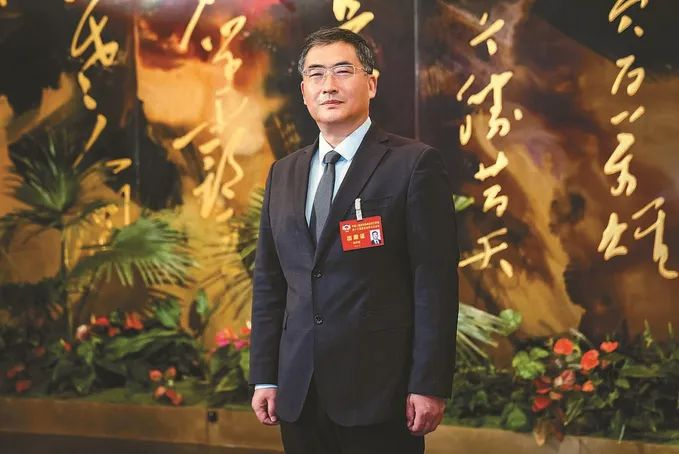
Shang Hongbo
The low-altitude economy, a composite business model, is driving economic transformation and growth. During Jiangsu's two sessions, member of Jiangsu People's Political Consultative Conference and Secretary of the Party Committee of Nanjing University of Information Science and Technology, Shang Hongbo, stressed the importance of cultivating meteorological talent to support Jiangsu's low-altitude economy.
Meteorologic factors greatly influence low-altitude flights and meteorologic talent shoulder great responsibilities in its development. Through surveys, Shang Hongbo identified gaps in meteorological talent development, including the absence of standardized certification systems and up-to-date curricula.
In view of national guidance and industrial needs, Shang proposed accelerating the training of meteorological personnel for the low-altitude economy. This includes establishing interdepartmental initiatives formulating training standards, strategic goals and career development pathways. A comprehensive policy framework to attract, cultivate, and utilize talent is needed to secure the financial, educational and training resources for talent cultivation.
At the same time, meteorological disciplines tailored for the low-altitude economy need to be in place, which requires special deployment, increased investment, prioritized resource allocation, and rapid development in target disciplines such as boundary layer meteorology, mesoscale meteorology, and aviation meteorology. World-class disciplines will spearhead this endeavour. Universities should establish interdisciplinary systems that integrate meteorology with low-altitude economy, preparing talent for diverse applications in agriculture, logistics, and tourism.
Building a mechanism for the growth of such talent requires a collaboration between universities and industry leaders that maps out specific demands, standards, curricula, training, and quality certification. Additionally, forecasting industry demand for graduates can help universities moderate enrollment quotas and criteria and optimize structures for nurturing top talent.
Source: weixunjiangsu