How AI takes ancient Nanjing global
"An Era in Jinling", a digital art exhibition from Nanjing is inviting people around the world to literally step into the city's past, while inspiring new approaches to cultural heritage protection in the age of artificial intelligence.
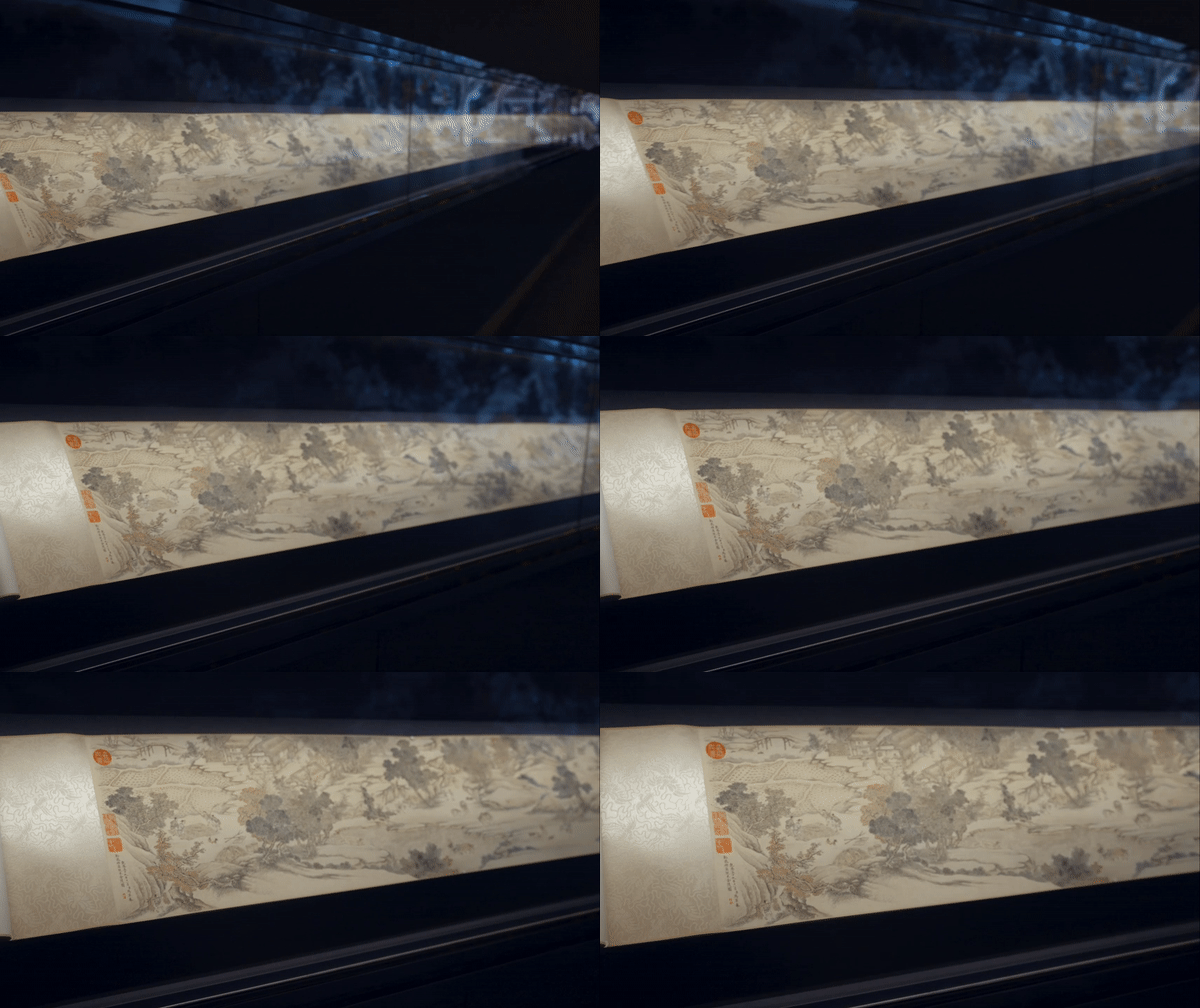
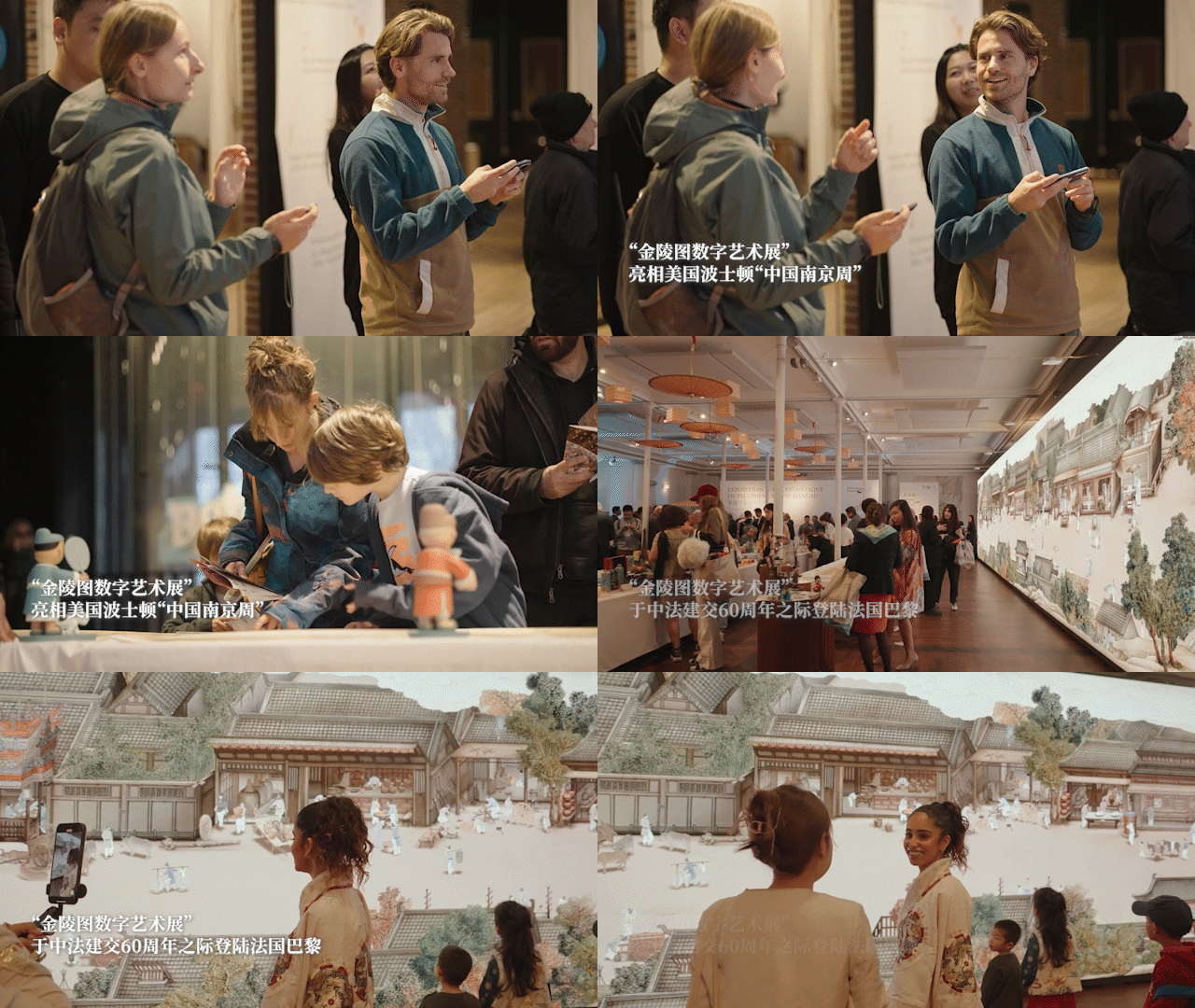
Launched at Deji Art Museum in Nanjing, the exhibition quickly became a sensation in China. Through touring shows, it has since reached international audiences in Boston, Paris, and other destinations.
This November, the Museum's director Ai Lin, shared insights on this innovative project at the 43rd UNESCO General Conference as the only Chinese representative from the museum sector to discuss "The Role of Artificial Intelligence in Museums" with institutions including Musée Guimet in France, the Museum of Islamic Art in Qatar, and the Asian Civilisations Museum and the Peranakan Museum in Singapore.
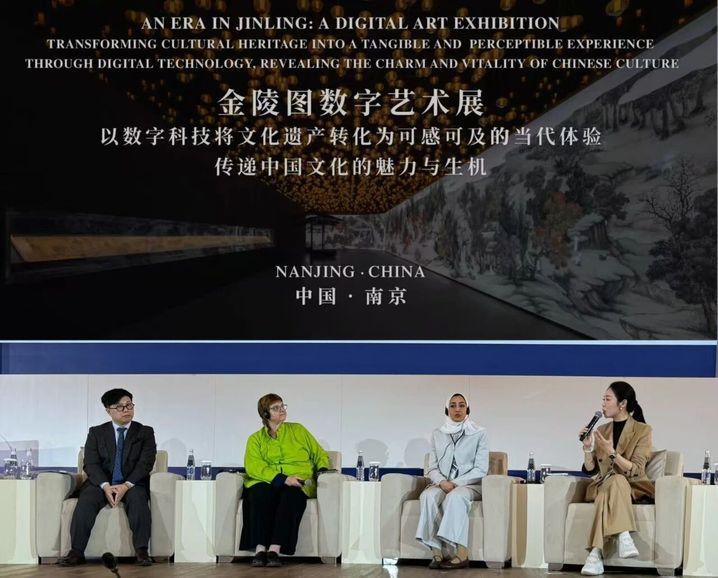
"By incorporating new technologies such as artificial intelligence, museums can transform cultural heritage into experiences that are tangible and accessible." Ai Lin said. "Audiences can engage with art more easily, better understand culture, and gain a deeper appreciation of the course of civilizational development."
Drawing on the example of "An Era in Jinling", she introduced to international peers how Chinese museums are continuously innovating in areas such as cultural heritage protection, exhibition experience enhancement, and efficient operations, demonstrating practical pathways for revitalizing heritage through cutting-edge technologies.
The painting, "An Era in Jinling", is a Song Dynasty (960 - 1279CE) masterpiece depicting the city now known as Nanjing, and often described as a visual encyclopedia of the city's history, culture, customs, and everyday life. In this exhibition, the artwork is brought to life.
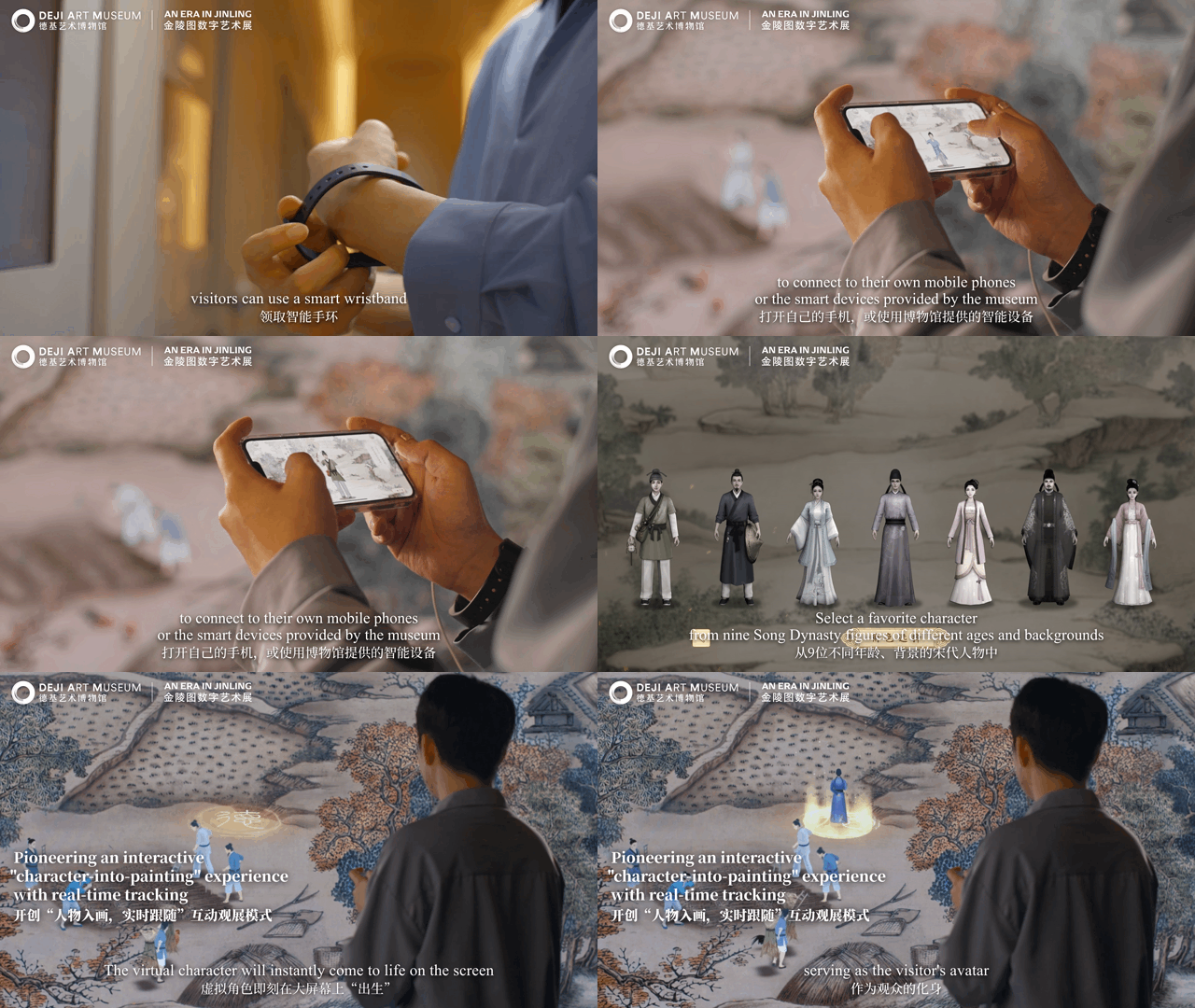
With the help of a smart wristband, visitors can generate their own avatars and "enter" the painting, interacting with figures from the scene, 533 characters in total, representing early citizens from all walks of life.
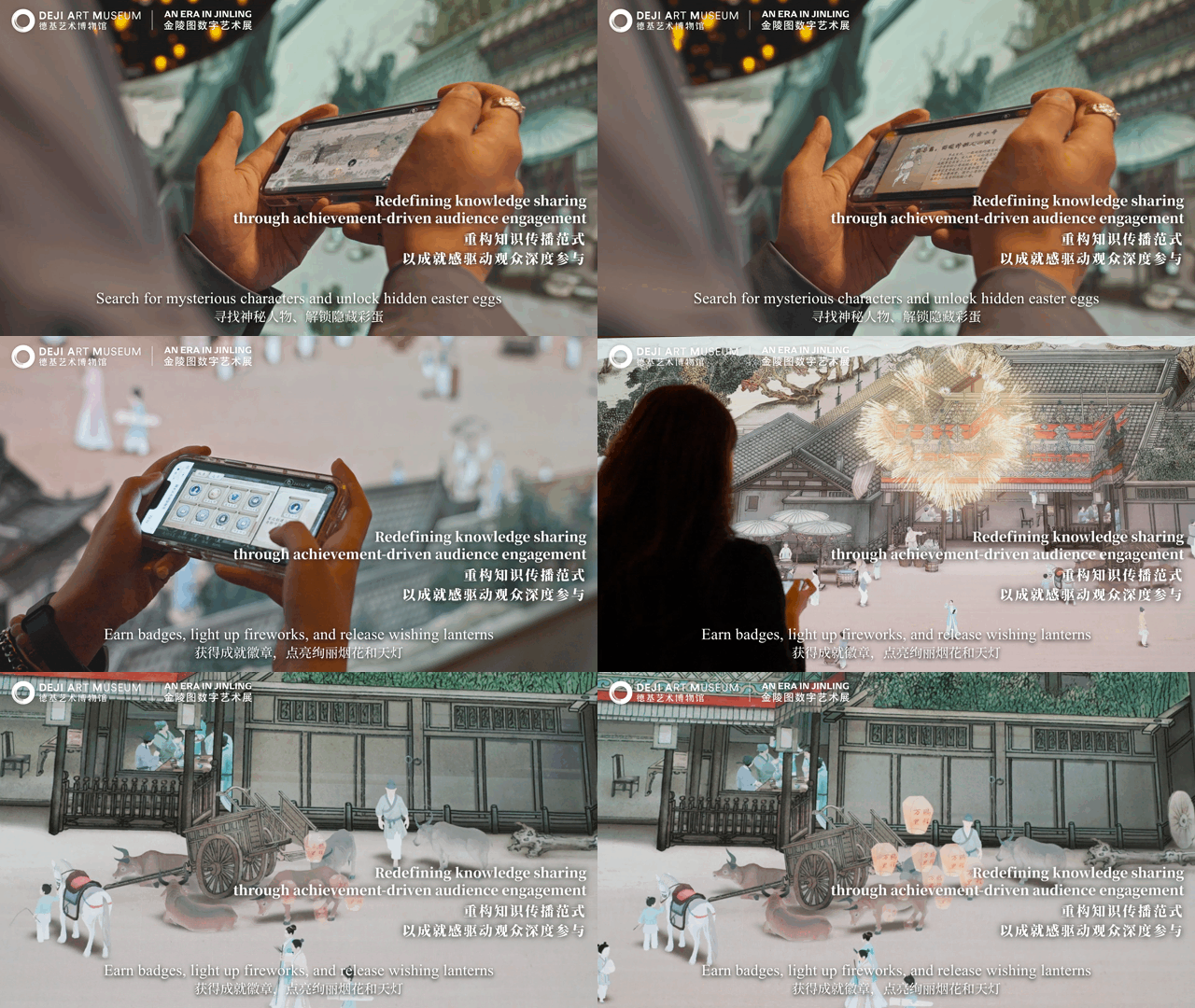
To make this experience possible, the Museum worked closely with scholars and experts from multiple disciplines to research the historical and cultural significance embedded in the painting. Building on this foundation, the Museum introduced a world-first exhibition model that allows visitors to appear within the artwork, with their movements tracked and reflected in real time using AI technology.
This pioneering "real-time interaction in the painting" experience offers a reference point for museums worldwide. By transforming viewers into active participants, it fosters a sense of engagement and achievement that sparks lasting interest in cultural exploration.
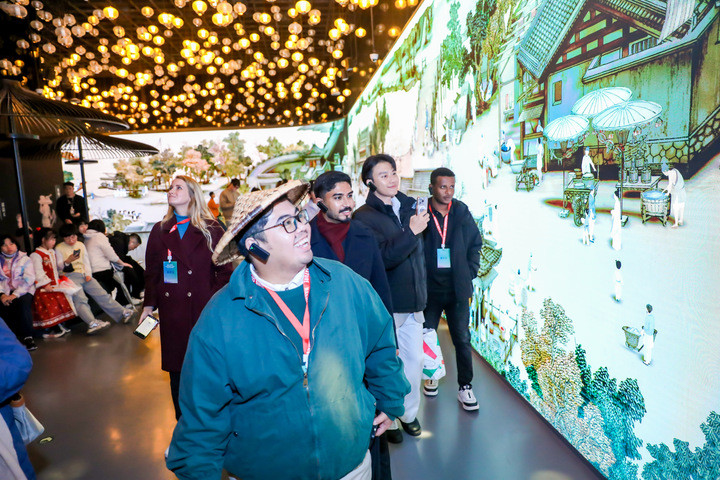
Reflecting on the museum's broader mission in heritage protection, research, interpretation, and activation, Ai Lin noted, "Cultural heritage is a bridge across time, carrying centuries of wisdom and the textures of everyday life. Through in-depth research, technological activation, and creative empowerment, we integrate heritage organically into the urban fabric and contemporary life, allowing it to regain vitality in the present day and transforming it into cultural and tourism experiences that are perceptible, accessible, and sustainable."