10 archaeological finds of 2024 trace Jiangsu’s ancient roots
In 2024, archaeologists made remarkable discoveries in Jiangsu, completing over 670 surveys and site evaluations across the province. A total of 230 ancient sites were newly identified, and 185 locations were excavated, as announced at the annual conference for the province's cultural origin-tracing projects.
At the conference, an expert panel also selected 10 archaeological discoveries as the most significant for advancing the understanding of the region's history and cultural heritage:
A 7,000-Year-Old "Lighter"
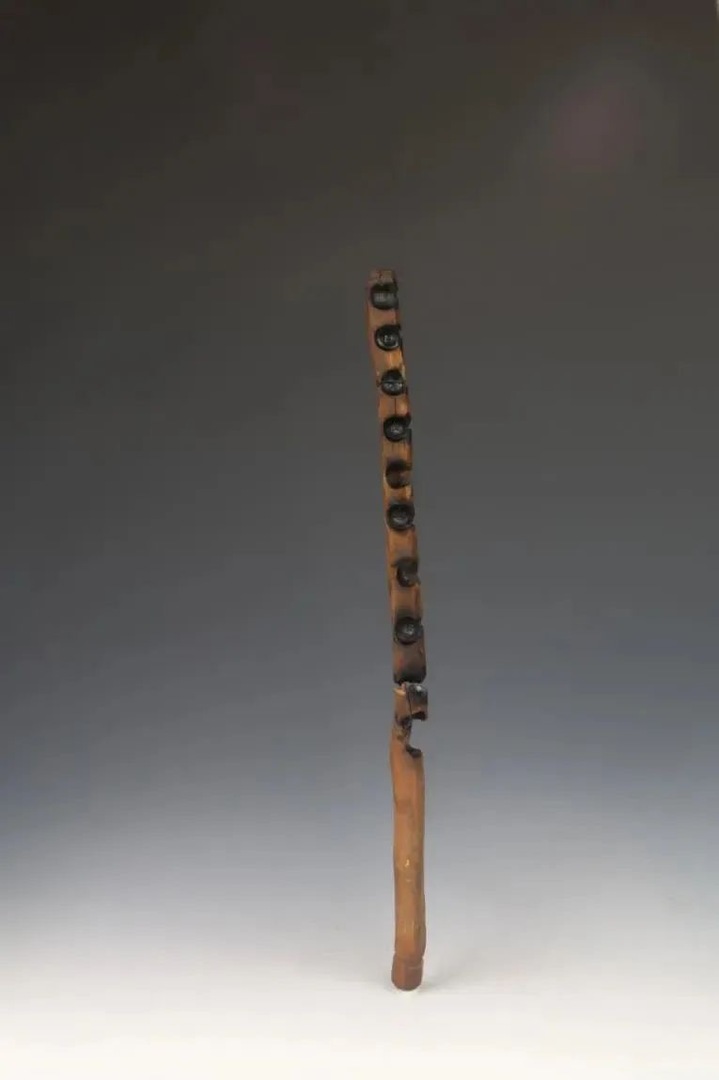
One of the most fascinating finds came from Xinghua-a complete fire-making toolset dating back around 7,000 years, the earliest of its kind ever excavated in China. The site itself is the oldest known Neolithic settlement in the eastern Jianghuai region, filling an important gap in the local archaeological record.
Ancient States
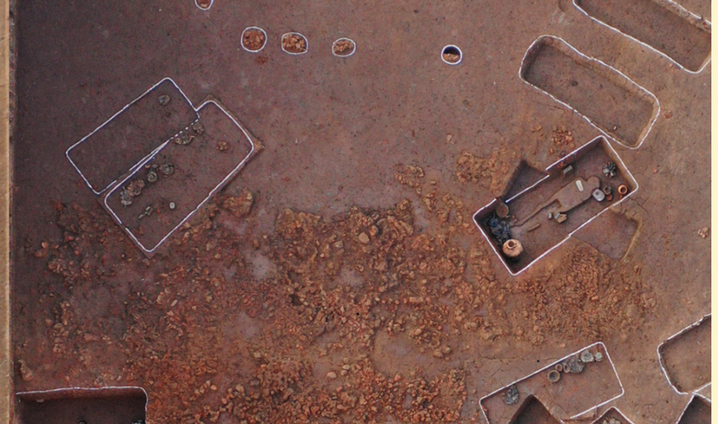
The Dongshan Village site in Zhangjiagang has been confirmed as a major settlement from the earliest phase of China's "Ancient State Era and the Era of Dynasties" (5,800-3,500 years ago). Meanwhile, the Sidun site in Changzhou, dating back 5,500 to 4,500 years, was a central community shaped by Songze and Liangzhu cultures.
A Salt Capital
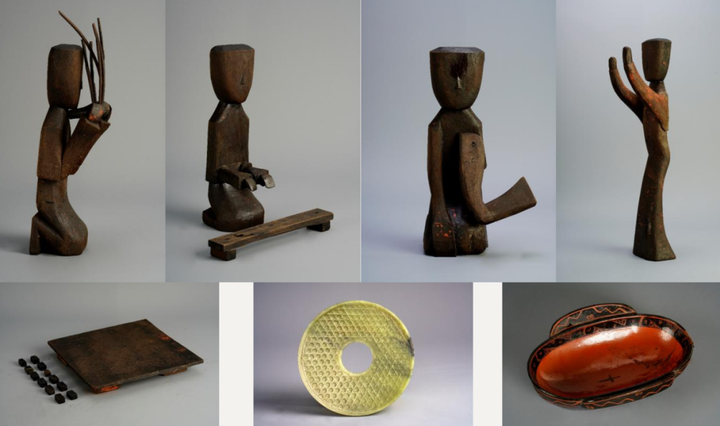
The city of Yancheng has a long history of salt production. At the Shajingtou site, researchers pinpointed the location of the Western Han Dynasty's (202 BCE-8) Yandu County, along with remains of significant buildings. The Miuhang site revealed a well-preserved Tang Dynasty (618-907) salt-making village, while the Houbeituan site uncovered a complete Ming Dynasty (1368-1644) salt-making facility.
The Grand Canal
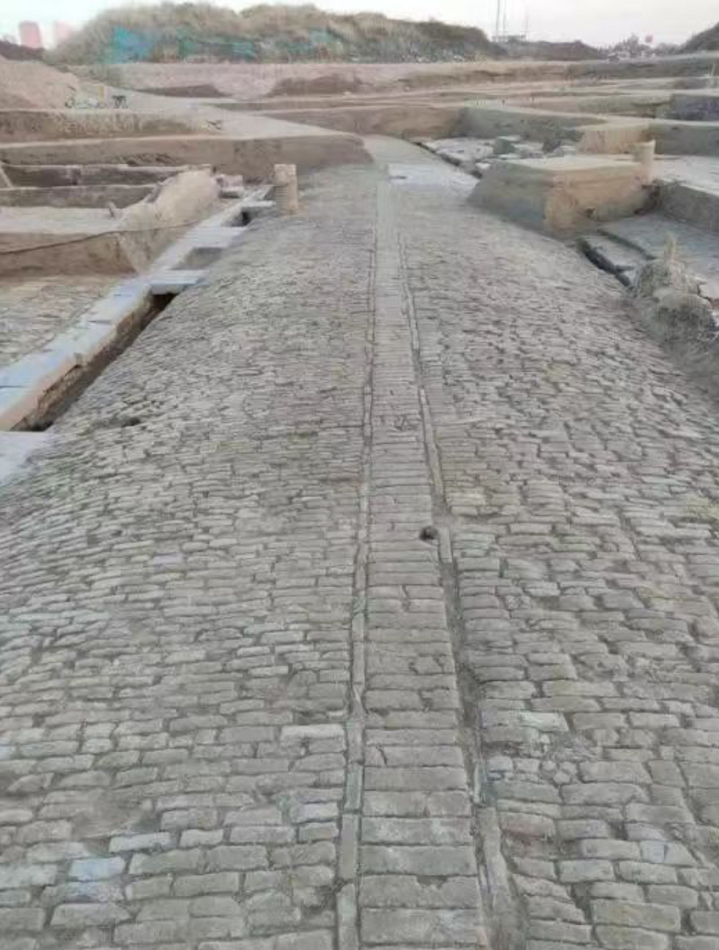
Excavations in Huai'an have highlighted the city's historical connection to the Grand Canal. Ruins of key locations-including Qingcheng Gate, Xinlu, and Banzha Town-show how Huai'an thrived as a major trade hub, with key taxation checkpoints for transporting grain and salt.
"Luxury Goods" from Early Societies
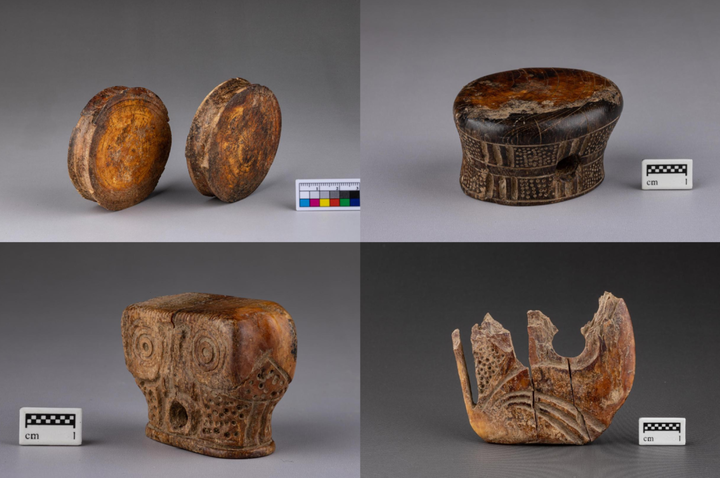
The Sanxingcun site in Jintan District, Changzhou, covers a vast area and housed a large population, making it a key site for studying the birth of civilization in the lower Yangtze region. Artifacts uncovered include finely crafted objects such as ivory and cinnabar, evidence of long-distance trade even in prehistoric times.
Ancient Tombs
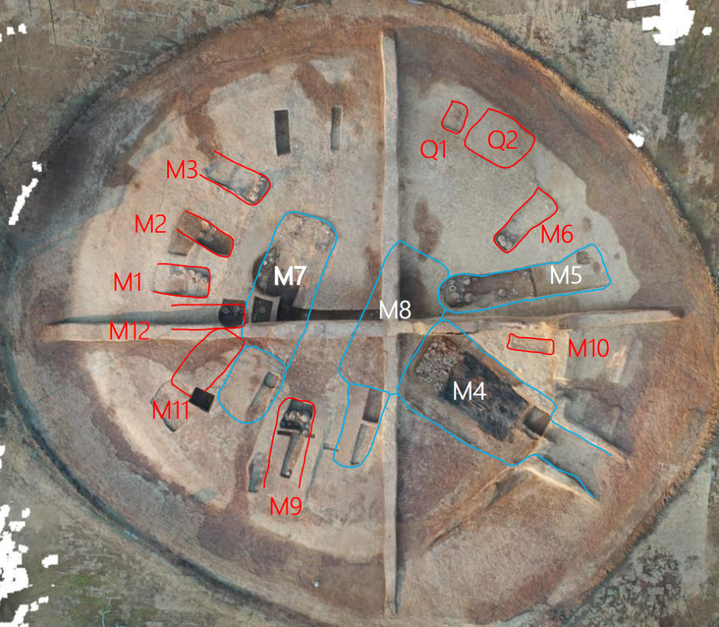
In Jurong, Zhenjiang, archaeologists excavated a large burial mound complex dating back to the late Spring and Autumn period (770 BCE-476 BCE). Inside Mound No. 1, they found two tombs containing an abundance of burial goods, suggesting they belonged to high-ranking nobles from the Wu Kingdom.
Suzhou's First Qin Dynasty Artifacts
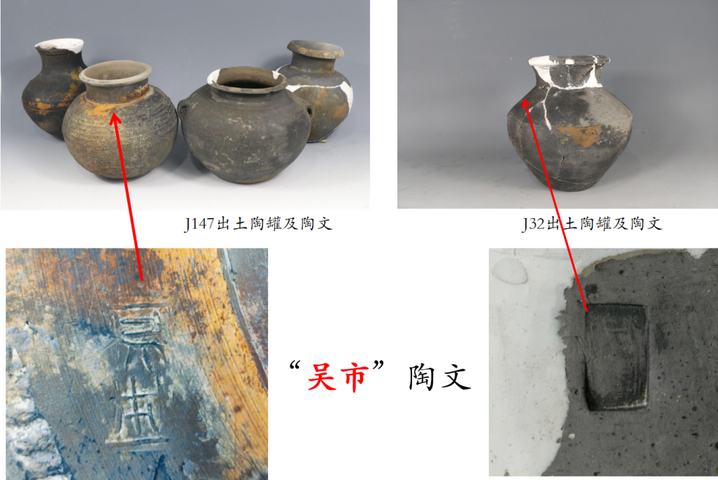
The Beiyuan site in Suzhou, continuously occupied from the Shang Dynasty (1600-1046) to the Yuan Dynasty (1271-1368), yielded a major discovery-a bronze sword from the Eastern Zhou period, the first scientifically excavated in Suzhou's historic core. Meanwhile, at the Jincheng Xincun site, archaeologists identified Suzhou's first Qin Dynasty (221 BCE-207 BCE) artifacts. High-grade architectural components found here, identical to those in Shaanxi and Gansu, along with stamped tiles bearing official Qin inscriptions, confirm the site as the location of the Qin Dynasty's Kuaiji Commandery.
Early Metallurgy
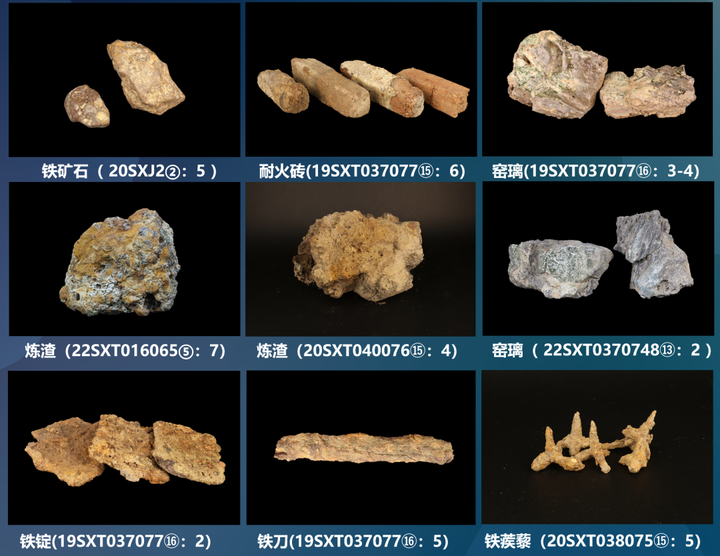
In Xuzhou, the ruins of Xiapi Ancient City consist of two fortifications, with the larger one serving as the capital of Xiapi Kingdom during the Eastern Han Dynasty (25-220). Its ironworks, among the earliest and largest ever excavated in China, provide invaluable insights into Han-era metallurgy, technology, and administration.
The Six Dynasties (222-589)
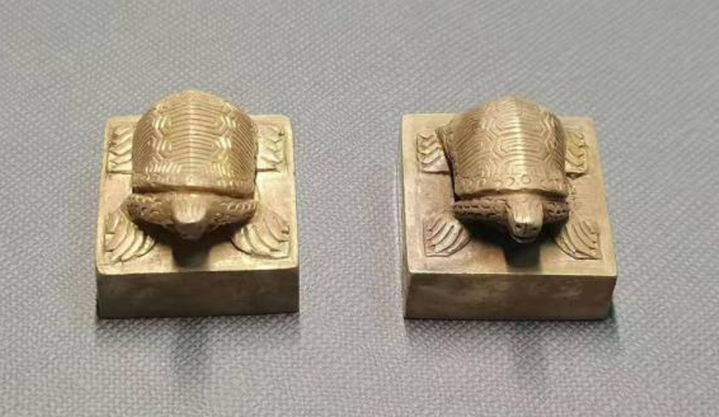
Excavations at the Zhang Zhao family tomb in Nanjing unearthed two turtle-shaped gold seal knobs, confirming the burial site of Zhang Zhao, a high-ranking official of the Eastern Wu state. This marks another major discovery that sheds light on Six Dynasties burial customs.
The Evolution of Yangzhou
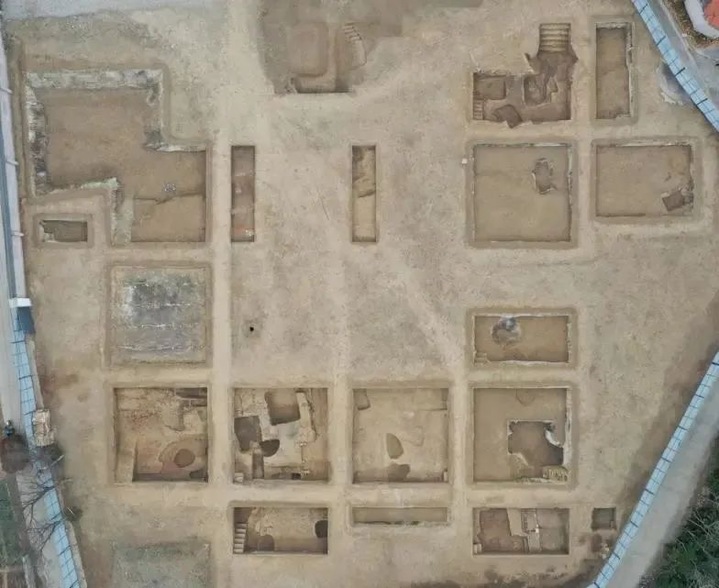
Ruins of ancient Yangzhou illustrate the continuity of Chinese civilization. Archaeological findings at the Shugang site trace the construction and expansion of an ancient city gate from the Southern Dynasties (420-589) to the Southern Song (1127-1279). These discoveries reaffirm Yangzhou's status as a capital-tier city, second only to Chang'an at the time.
Source and Photos: Jiangsu Provincial Department of Culture and Tourism