The Grand Canal (Jiangsu Section)
The Grand Canal, initially constructed over 2,500 years ago, spans more than 3,200 kilometers and traverses China's north-south axis as the world's longest and largest artificial waterway. It connects eight Chinese provinces/municipalities – Beijing, Tianjin, Hebei, Shandong, Henan, Anhui, Jiangsu, and Zhejiang – serving as a vital transportation artery connecting both the north-south and east-west regions of China. In 2014, it was inscribed on the UNESCO World Heritage List.
Within Jiangsu Province, the canal flows through eight National Historical and Cultural Cities: Xuzhou, Suqian, Huai'an, Yangzhou, Zhenjiang, Changzhou, Wuxi, and Suzhou. Jiangsu holds the distinction of containing the highest concentration of Grand Canal World Heritage components, including 325 km of heritage river channels, accounting for one-third of the canal's total length, 7 heritage zones which cover 46% of the total protected area, and 28 heritage sites, making up one-third of all designated sections. Additionally, the original site of the Grand Canal is also located in Yangzhou City.
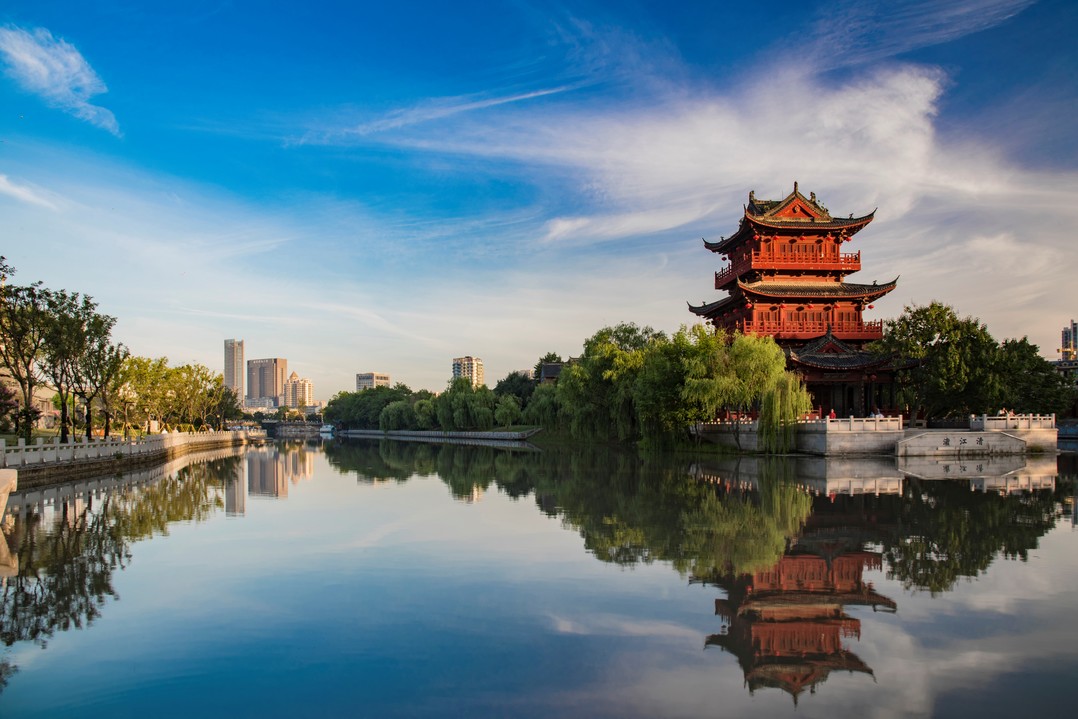
Li Canal Cultural Corridor, Huai'an City
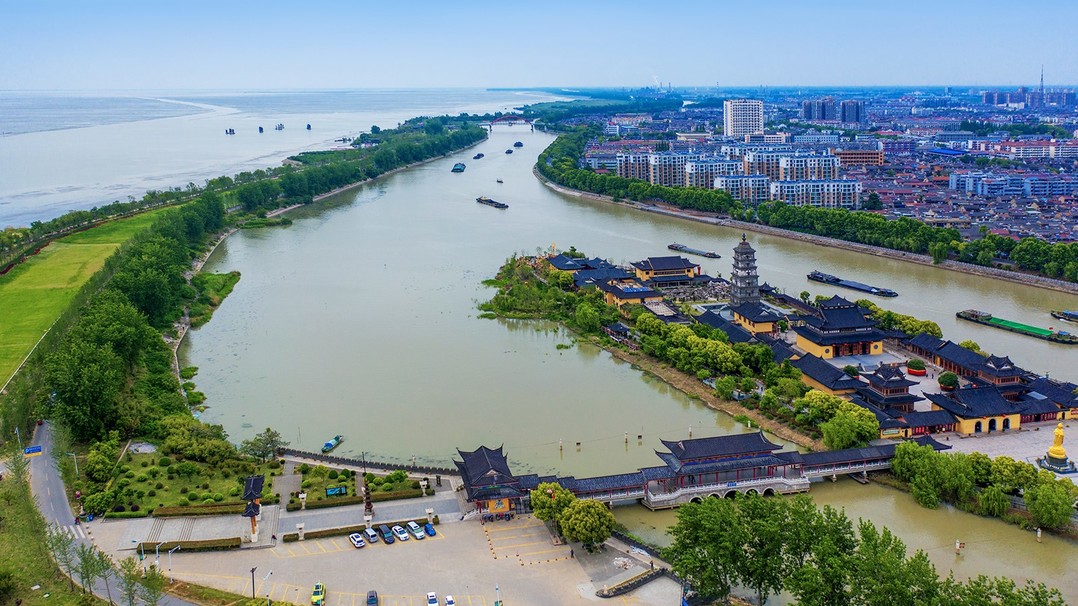
Canal Scenery, Yangzhou City
Jiangsu, a radiant pearl in eastern China, lies nestled along the Yangtze River and faces the Yellow Sea, where its crisscrossing network of rivers and lakes endows the land with a uniquely dynamic beauty. With a vast territory of 102,600 square kilometers, approximately one-sixth of which is covered by water, this province truly lives up to its reputation as a "realm of waterways and wetlands." The landscape, masterfully shaped by aquatic elements and enhanced by the interplay between mountain and water, epitomizes jiangsu's distinctive allure.
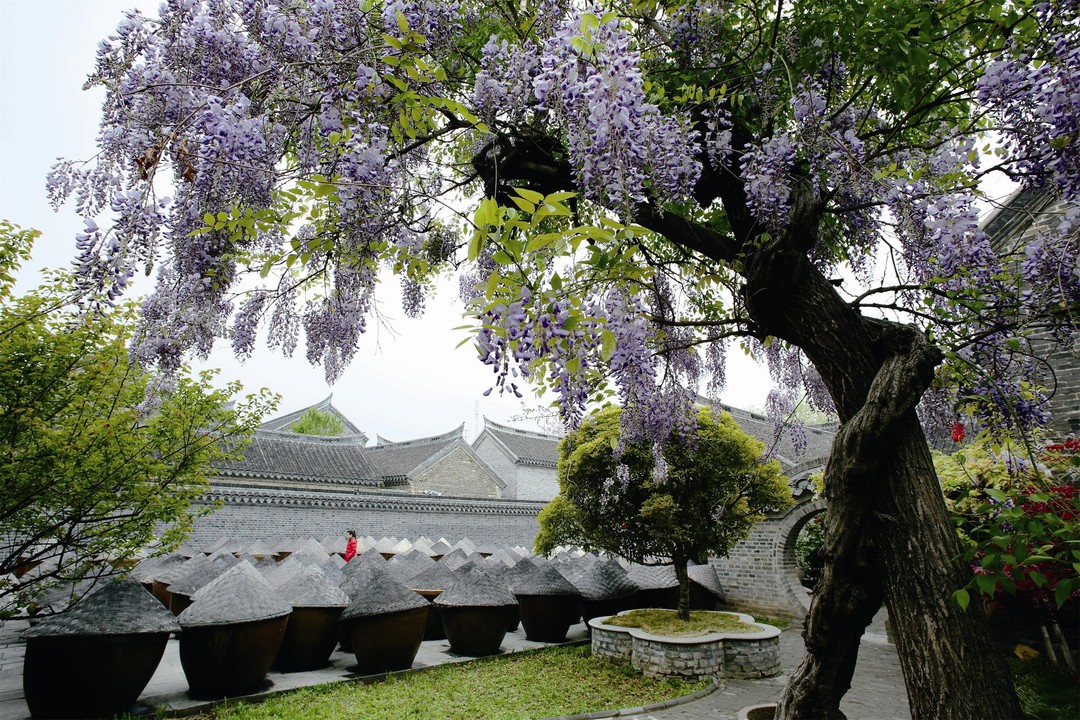
Yaowan Ancient Town, Xuzhou City
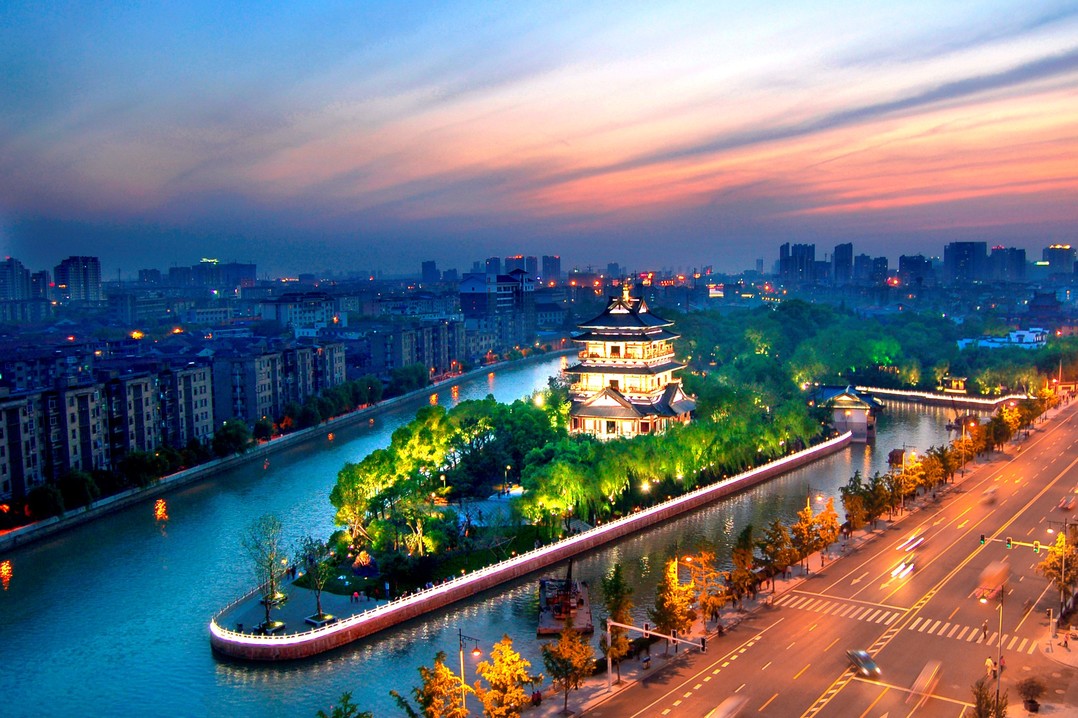
Dongpo Park by the Changzhou Ancient Canal
As one of the cradles of Chinese civilization, Jiangsu boasts not only a constellation of cultural treasures but also Natural World Heritage Sites exemplifying harmonious coexistence between humanity and nature. Among them, the Grand Canal, traversing latitudes and millennia, stands as a vital artery of Chinese civilization.
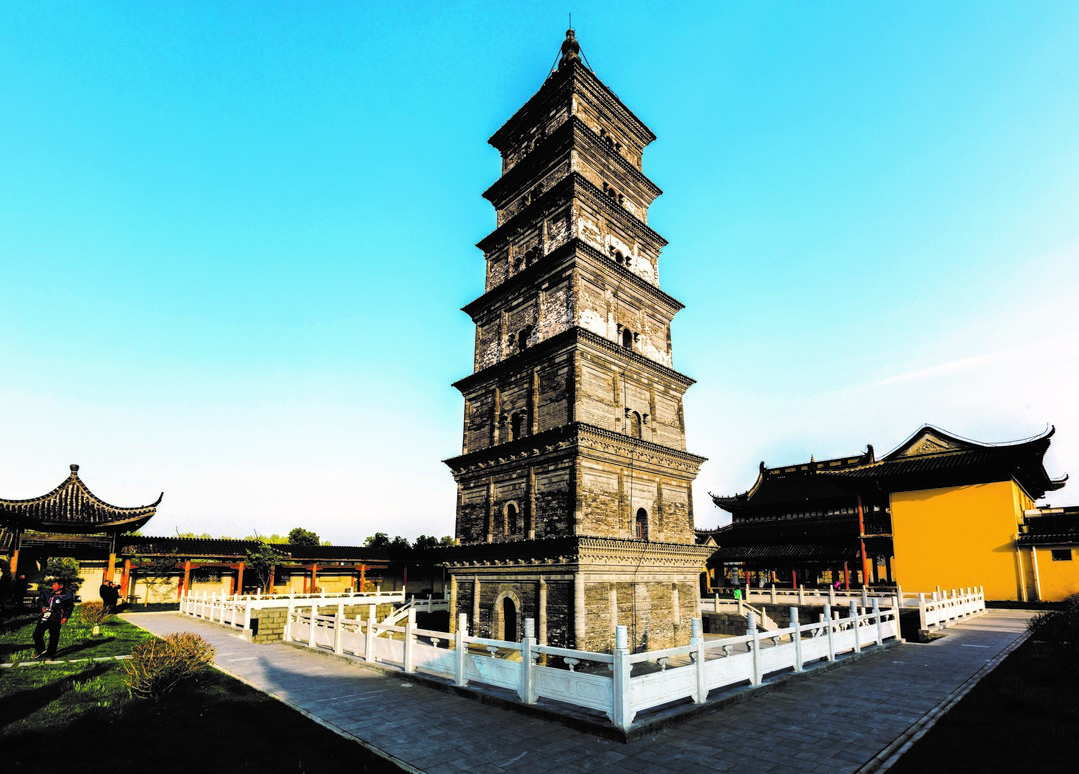
Zhen'guo Temple by the side of the Grand Canal, Gaoyou, Yangzhou