Woodblock Printing
Woodblock printing is a meticulous craft that involves carving text or designs onto wooden blocks using engraving tools, then inking and pressing the blocks onto materials such as paper or silk, and finally binding the pages into codices or books.
Originating in the Sui Dynasty (581 – 618 CE), this technique advanced during the Tang Dynasty (618 – 907), expanded in the Five Dynasties period (907 – 960), reached refinement in the Song Dynasty (960 – 1279), and flourished in the Ming (1368 – 1644) and Qing (1644 – 1912) dynasties. It pioneered human reproduction technology and carries immeasurable historical and cultural significance. Alongside later movable-type printing, it forms the foundation of what is collectively termed "printing technology", and is celebrated as one of the Four Great Inventions of Ancient China, alongside papermaking, the compass, and gunpowder.
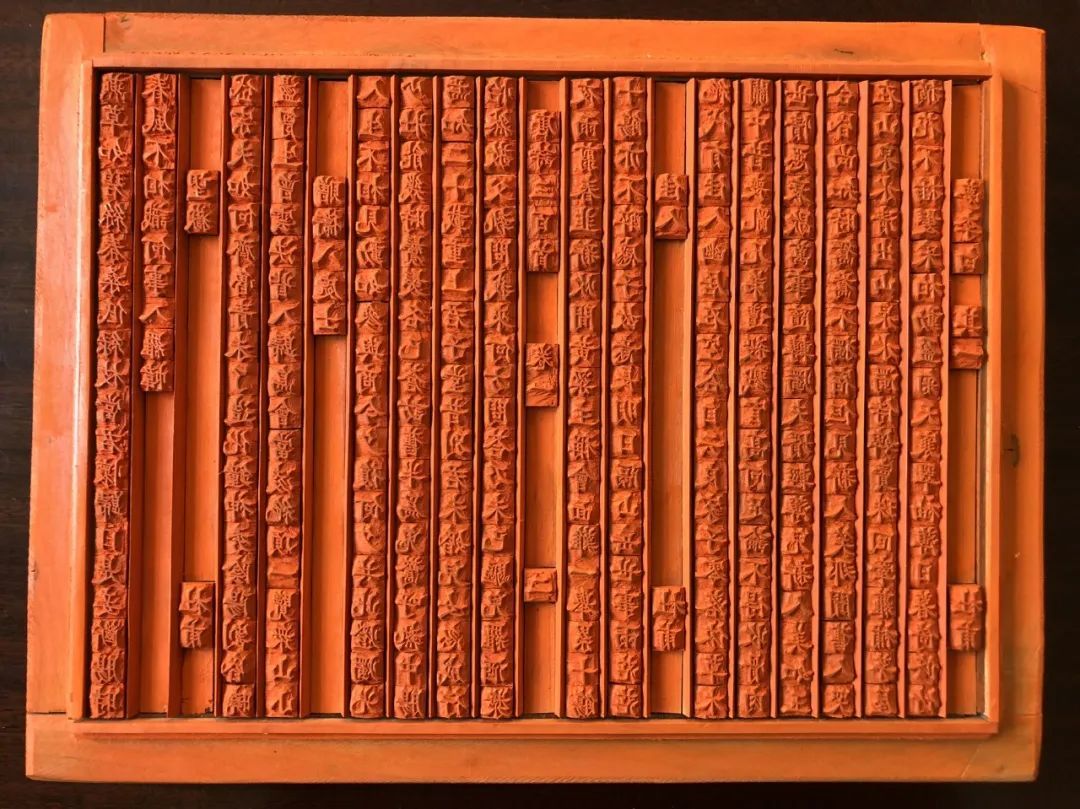
The invention of woodblock printing has significantly reduced the production cost of books, making them accessible to ordinary people. The dissemination of knowledge is no longer confined to the upper class. Woodblock printing is not merely the reproduction of characters; it also carries a rich variety of artistic expression forms. Many excellent illustrations and artworks have been preserved through woodblock printing and have become precious materials for later generations to study and appreciate.
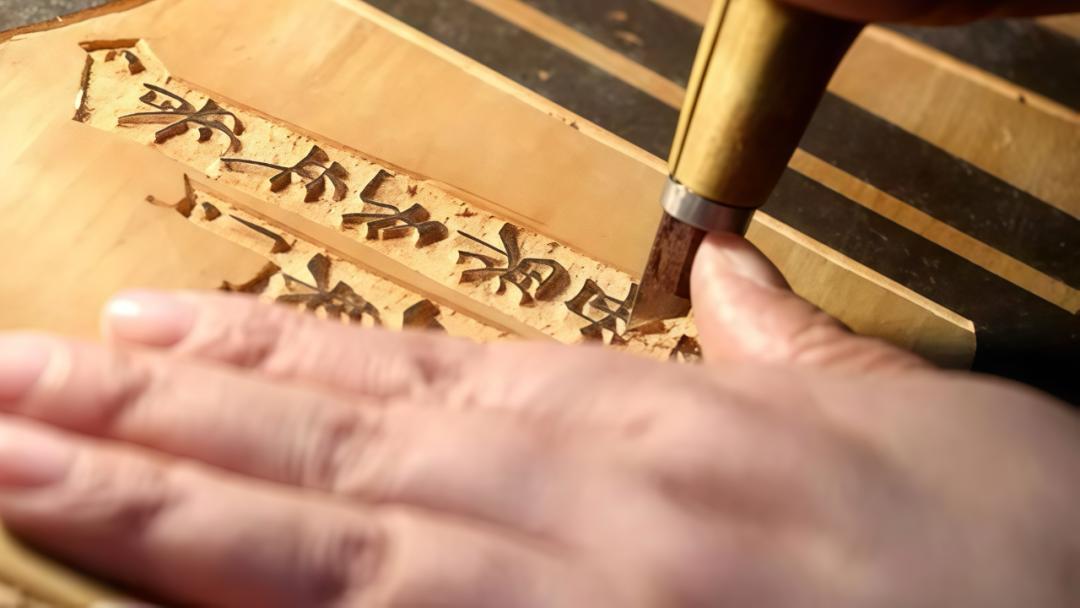
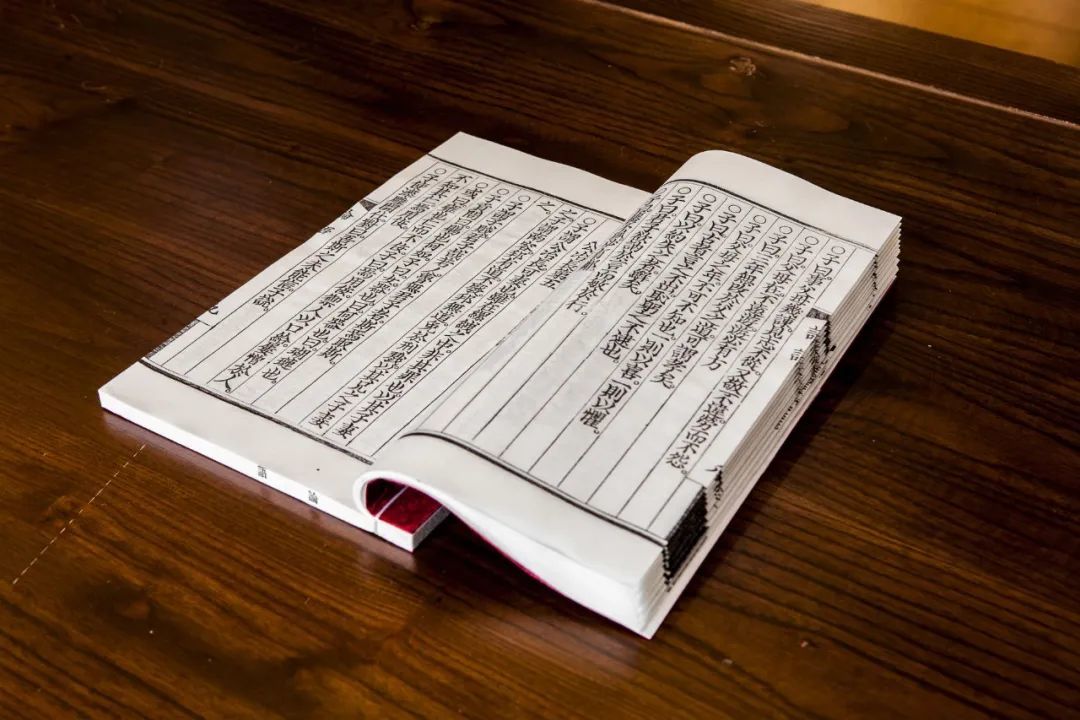
Through woodblock printing, ideas and cultures can transcend geographical limitations, promoting the exchange and integration among different cultures. Especially under the influence of the Silk Road and the Maritime Silk Road, woodblock printing not only spread to East Asia, but also affected Southeast Asia and Europe.
Yangzhou, as one of the inportant birthplaces of woodblock printing in China, has a long history of woodblock printing inheritance that can be traced back to the Tang Dynasty. At that time, Yangzhou, relying on the transportation convenience and economic prosperity brought by the Grand Canal, became the political, economic and cultural center of the country, providing a unique material foundation for the emergence and development of woodblock printing. Ever since Cao Yin engraved the "Complete Tang Poems," Yangzhou has gathered a large number of skilled artisans.
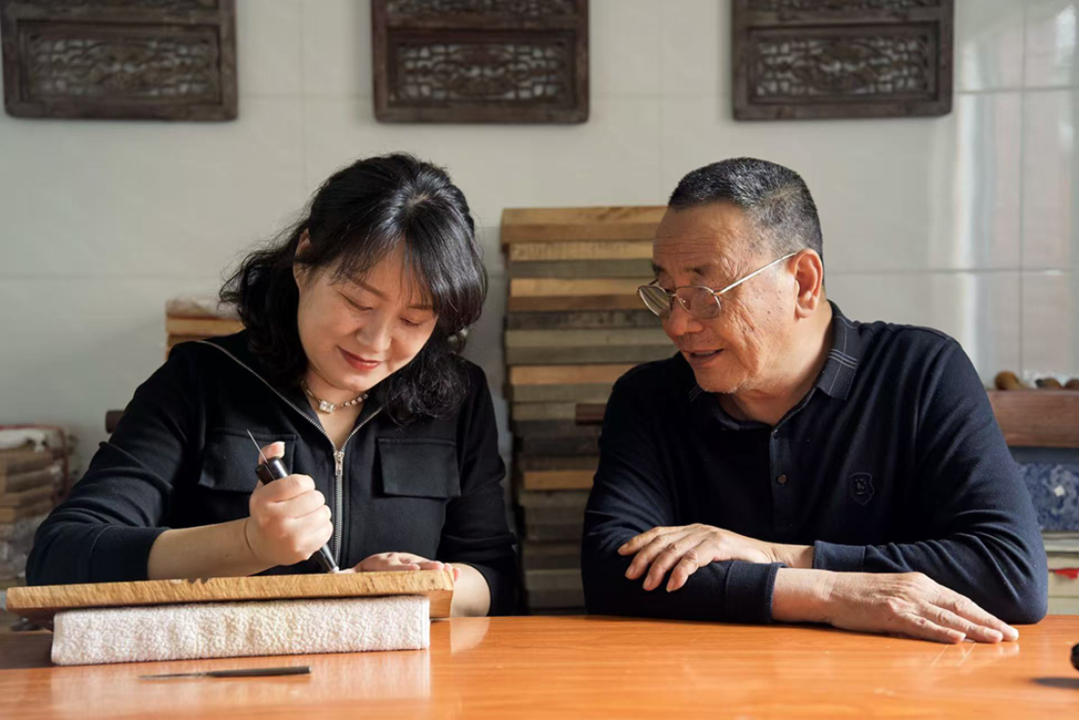
Chen Meiqi, the fourth-generation inheritor of the Chen family, and her father, Chen Yishi, a national-level inheritor of woodblock printing techniques
The Hangzhou-Yangzhou school was an extremely important force in the inheritance of this craft. The Chen family in Yangzhou played a key role in it. Their skills are comprehensive, exquisite and neticulous.