"Six Support Frameworks" in Jiangsu fosters sci-tech growth
"Measures for Accelerating the Construction of An Innovation Ecosystem and Fostering the Growth of Sci-Tech Enterprises" have been unveiled by Jiangsu, aiming to cultivate innovation through the "six-pillar support framework". This initiative is designed to bolster six categories of sci-tech enterprises, energizing their developmental drive and vitality.
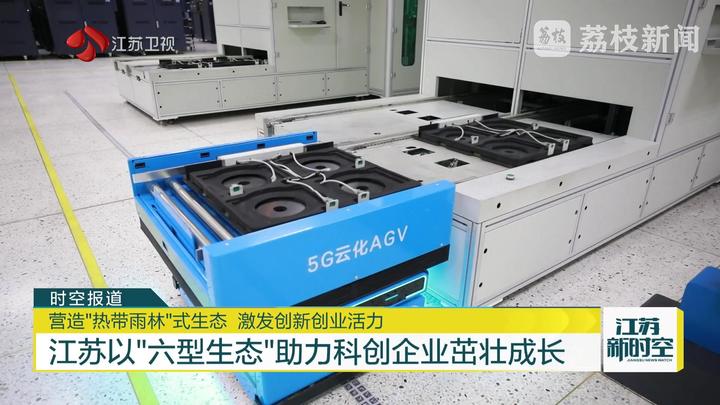
The new policy comprises 22 articles with over 80 specific measures, covering multiple specifications such as improving the tiered cultivation system for sci-tech enterprises, deepening the "dual-high synergy" to foster a favorable ecosystem for innovation, and advancing reforms to enhance development momentum. It clarifies the target beneficiaries, institutional frameworks, and objectives.
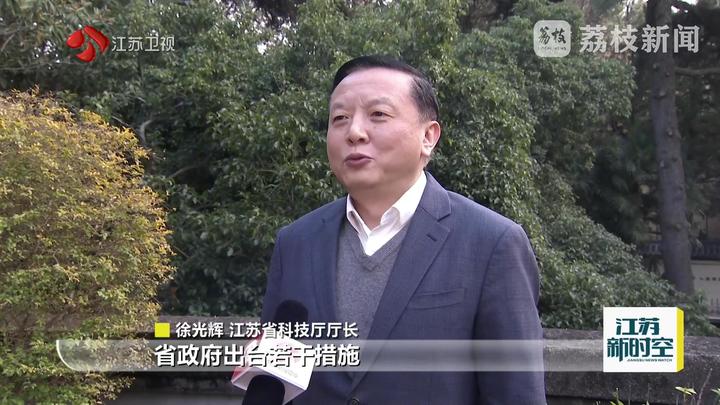
Xu Guanghui, Director of the Jiangsu Provincial Department of Science and Technology, stated, "The provincial government has introduced these measures primarily to align with the wave of technological innovation and the trend of entrepreneurship, exemplified by advances in artificial intelligence. The approach involves building a structured system through industry-specific, category-based, and tiered methods to cultivate six types of enterprises at different development stages. Simultaneously, it aims to foster a first-class ecosystem for research and development, entrepreneurship, and venture capital, while optimizing top environments for talent, openness, and public service. This initiative seeks to establish a flourishing innovation ecosystem in Jiangsu — one that encourages innovation, accelerates the convergence of technological and industrial advancements, and strives to cultivate a vibrant, widespread culture of entrepreneurship and innovation."
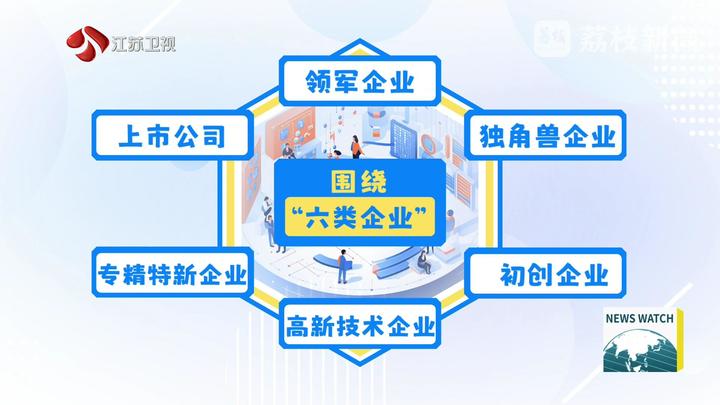
The new policy reinforces the central role of enterprises in technological innovation, focusing on leading sci-tech enterprises, listed companies, unicorn companies, specialized and sophisticated SMEs, high-tech enterprises, and start-ups. It further deepens collaborative innovation between high-tech zones and higher education institutions through the implementation of the "Laboratory Plus" initiative, encouraging enterprises to take the lead in establishing key national and provincial laboratories. The policy continues to carry out 40 major provincial sci-tech projects annually, with enterprises leading at least 80% of them. It also supports leading enterprises in forming innovation consortia and talent research alliances with upstream and downstream companies, universities, and research institutes.
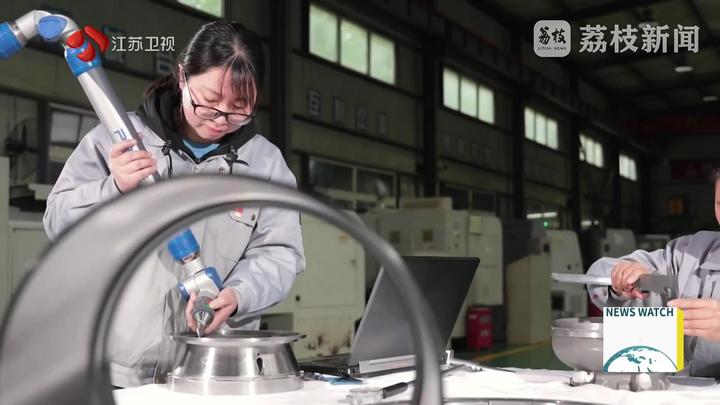
The new policy places particular emphasis on supporting young scientists and entrepreneurs in innovation and entrepreneurship. It further advances the integrated reform of education, science and technology, and talent development, promotes reforms in the mechanisms for transforming scientific and technological achievements and income distribution incentives, and enhances the growth mechanism for fiscal investment in science and technology. By 2027, the aim is to have approximately 50 leading sci-tech enterprises, around 300 unicorn companies, about 67,000 high-tech enterprises, and roughly 100,000 sci-tech SMEs registered in the national database.