Crests and Pride: Emblems of 13 Teams in "Suchao" Unveiled
The much-anticipated 2026 Jiangsu Football City League ("Suchao") is set to kick off this April, bringing together thirteen cities across the province in a vibrant celebration of sport and regional identity. On March 17, all cities released their team crests. These carefully crafted emblems combine traditional symbolism with modern design, serving as cultural totems and banners of football ambition.
Compared with the inaugural season, six cities — Nanjing, Suzhou, Yangzhou, Changzhou, Suqian, and Zhenjiang — have introduced new designs, while the others have retained their original emblems. Here's a closer look at the stories behind them.
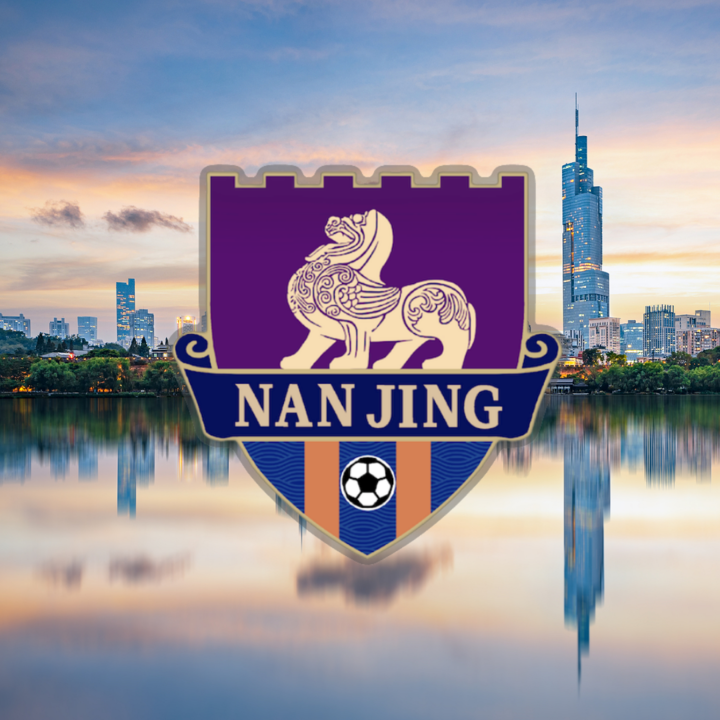
Nanjing
Nanjing's crest is shaped as a shield, combining a literary scroll, the iconic Ming Dynasty City Wall, and the mythical 辟邪 Bixie — a creature that protects against evil. Purple evokes imperial heritage and mystery, while the scroll underscores Nanjing's status as a UNESCO City of Literature. A stylized plum blossom, the city flower, merges with a football and the number 11, symbolizing unity and teamwork.
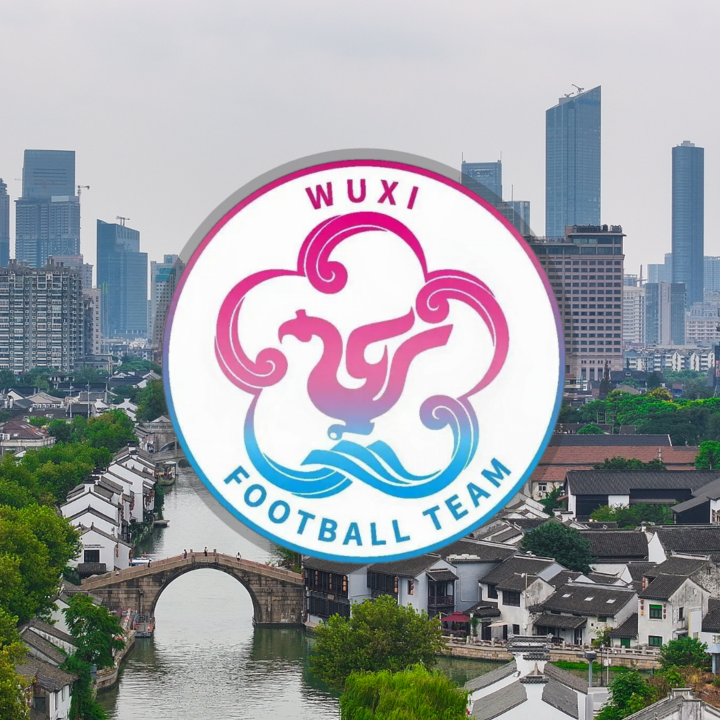
Wuxi
The Wuxi crest centers on a flying phoenix motif inspired by a 3,000-year-old jade artifact. It is encircled by water patterns that evoke the Jiangnan region and Wu–Yue cultural roots. The blue of Taihu Lake's waves and the pink of cherry blossoms combine to convey elegance, harmony, and an ambition to soar in competition.
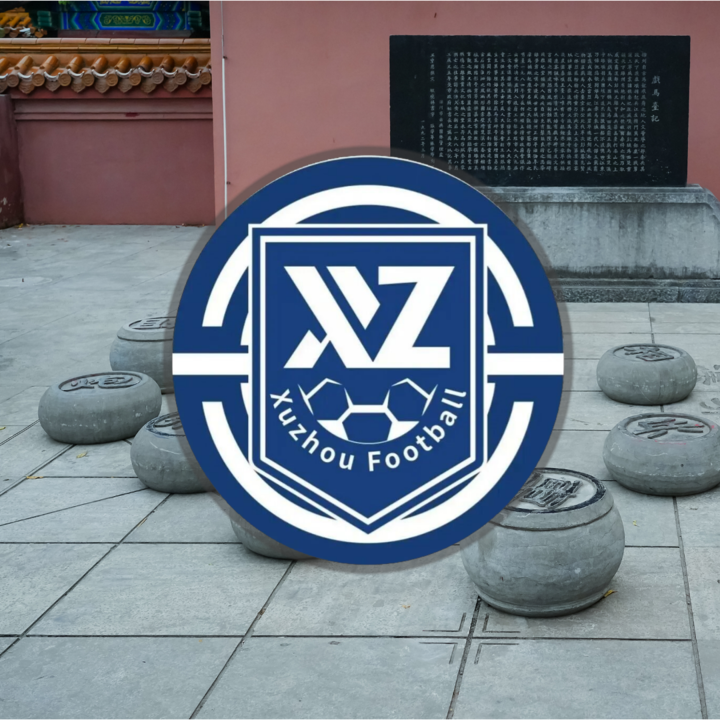
Xuzhou
Xuzhou's crest places a shield over the circular Xiangqi board, evoking its role in the Chu–Han War. The shield signifies strength and defense. The board represents strategy and wisdom — the city forged as an ancient military stronghold, marked by resilience and tactical thinking.
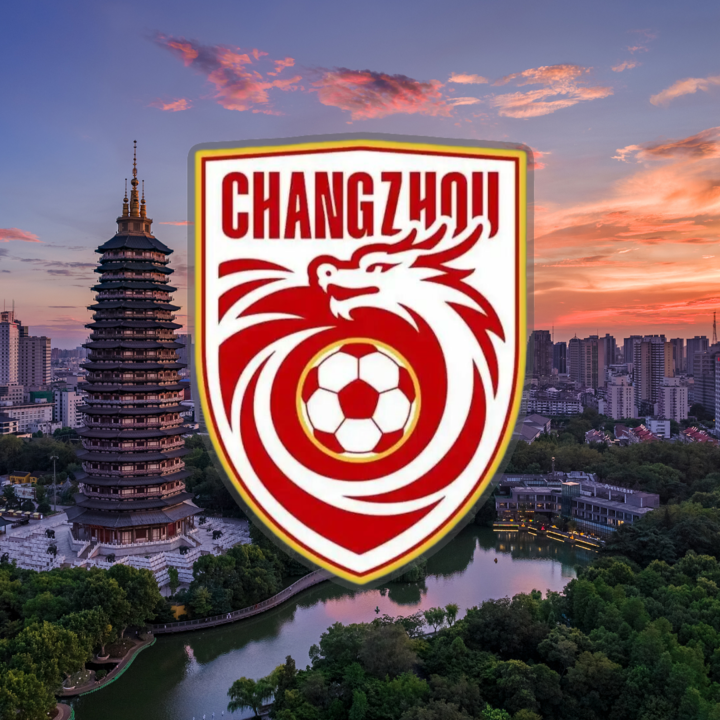
Changzhou
Changzhou's crest centers on a football encircled by a dynamic dragon, referencing its nickname "Dragon City". The dragon subtly shapes the initials "C" and "Z" , while the outer shield highlights defensive strength and civic pride.
Suzhou
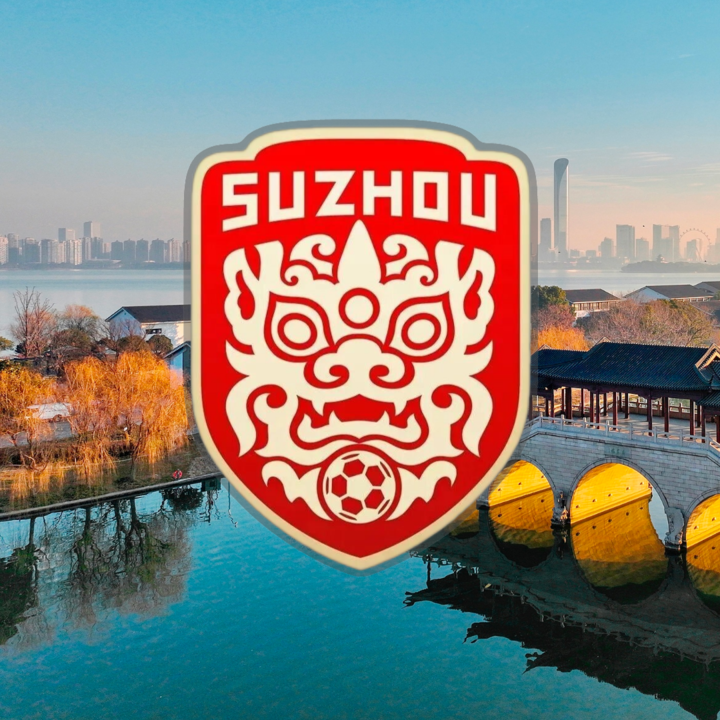
Suzhou's emblem is built around the mythical creature, 甪端 Luduan, a symbol of justice and auspiciousness. Rendered in a modern graphic style, it sits within a shield with the word "SUZHOU", styled like a city wall, and reinforces identity while blending tradition with contemporary design.
Nantong
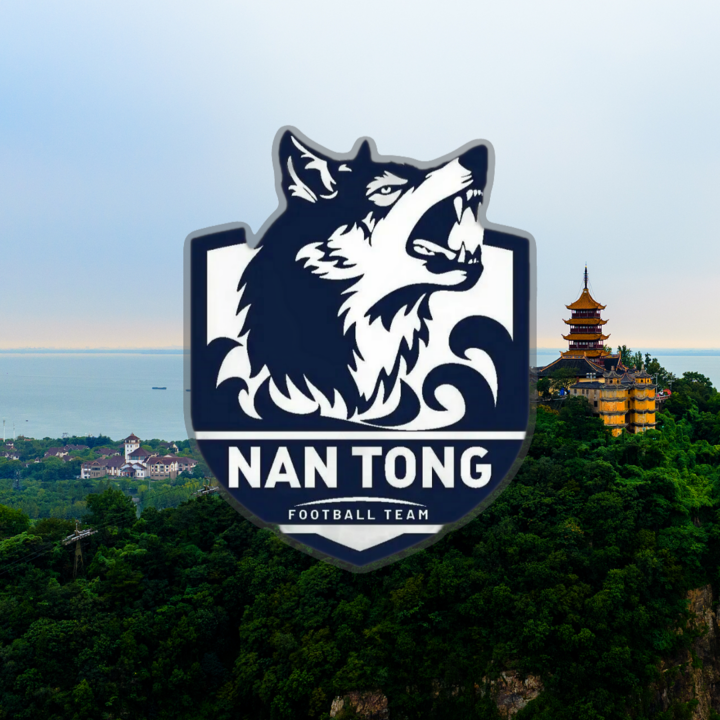
Nantong's crest features a wolf's head inspired by Langshan (Wolf Hill), a local landmark. Facing upward toward the sea and sky, the wolf symbolizes courage, unity, and determination. The design captures the city's coastal geography and pioneering spirit.
Lianyungang
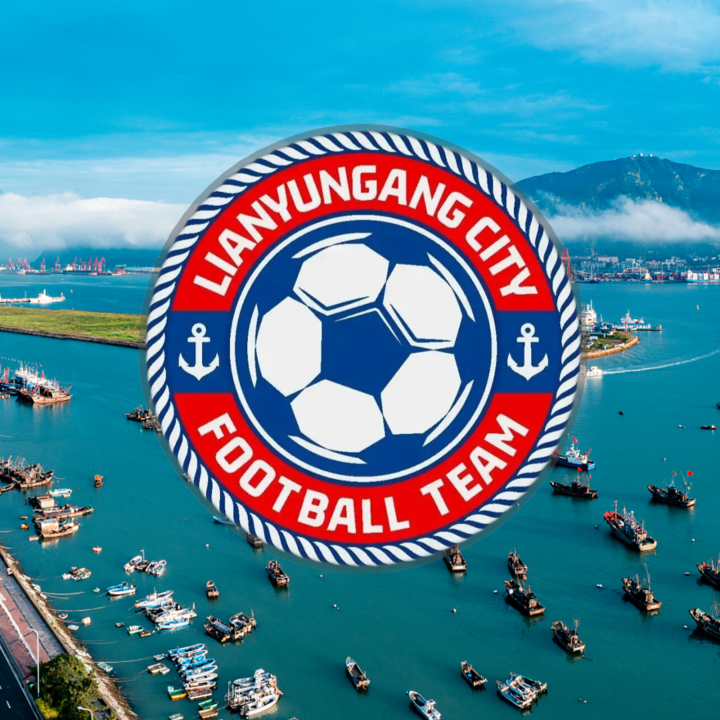
Drawing on its identity as a port city, Lianyungang's crest incorporates ocean waves and an anchor. Blue tones highlight maritime culture and openness, while red symbolizes passion and vitality. The overall style is clean and modern.
Huai'an
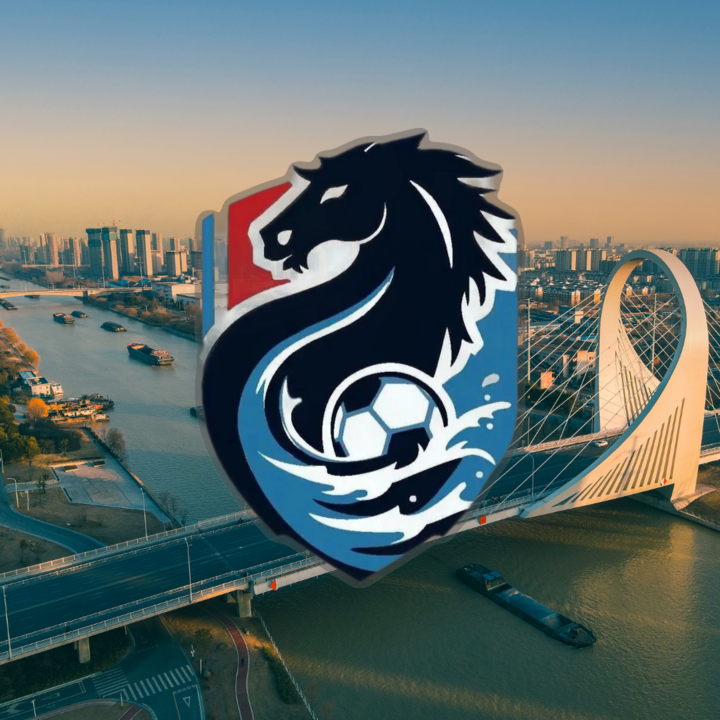
Huai'an's badge blends water, a horse, and a football. Wave patterns represent the Grand Canal and Hongze Lake, emphasizing the city's aquatic heritage. The horse symbolizes ambition and upward momentum. "From water to horse" is a saying about Huai'an's historical role as a transportation hub. Travelers from the south would disembark from boats here and continue north by horse, while those coming from the north would leave their carriages and transfer to boats to head south.
Yancheng
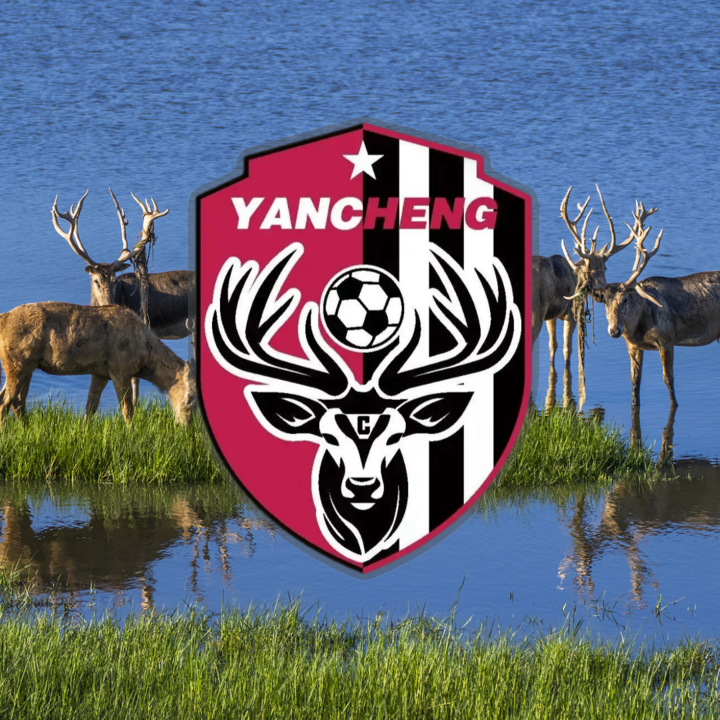
The Yancheng crest features a Père David's deer (Milu deer), symbolizing the city's ecological identity as home to the largest Milu deer Nature Reserve in the world. The deer's antlers cradle a football, while the twelve tines symbolize Yancheng's strategic location in Jiangsu as a hub connecting east and west, gathering vitality from all directions with an open and embracing spirit. The black-and-white tones reflect the land and sea salt.
Yangzhou
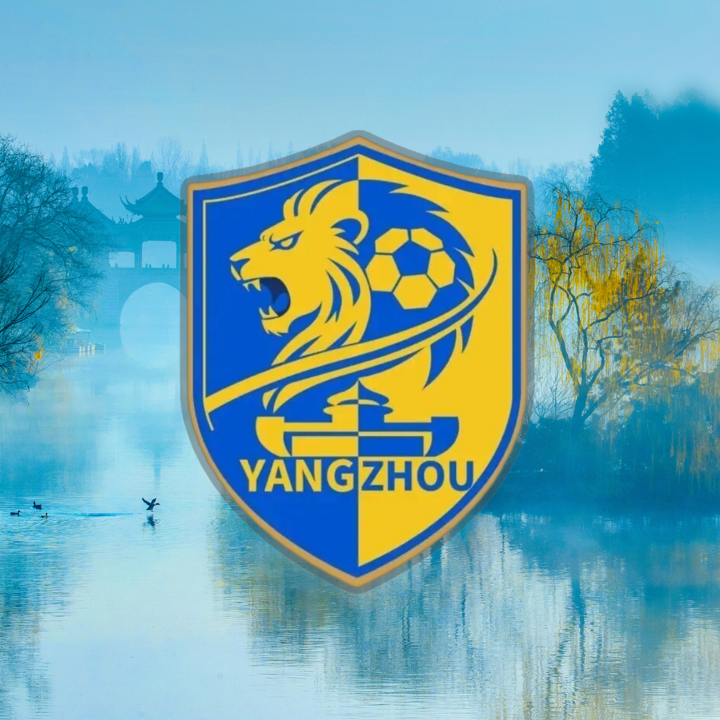
Yangzhou's emblem combines three aspects of its global recognition — City of Canals, City of Gastronomy, and East Asian Cultural City. A lion, as well as referencing the famous dish "lion's head meatballs", symbolizes strength. Water patterns and the silhouette of the China Grand Canal Museum highlight history and openness. Blue and yellow colors represent wisdom, loyalty, and glory.
Zhenjiang
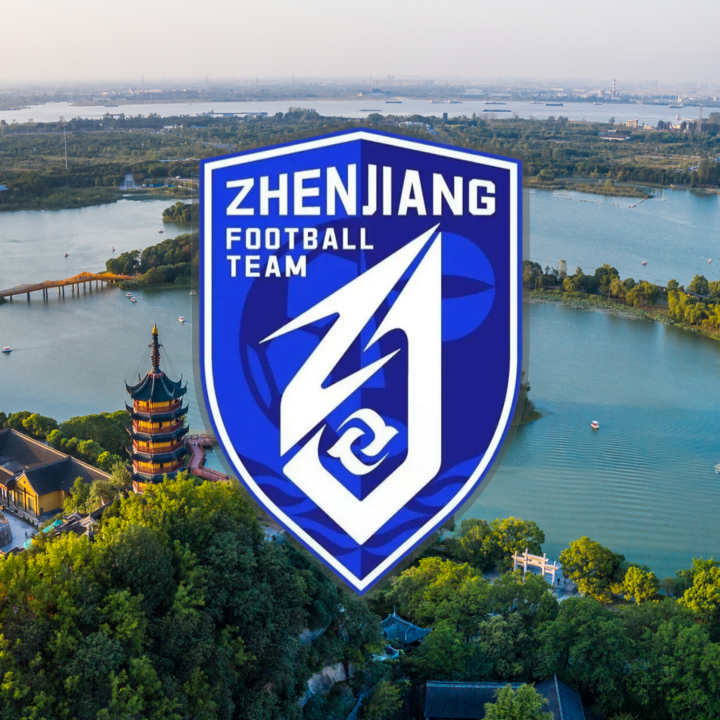
Zhenjiang's crest is built around the abbreviation "ZJ", stylized as a mountain peak to reflect the city's landscape. A central motif, inspired by an ancient bronze artifact housed in the city's museum and dating back to the Western Zhou Dynasty, conveys a sense of heritage and strength, while also resembling two Yangtze finless porpoises playing in the river. The design seamlessly merges cultural legacy with athletic dynamism.
Taizhou
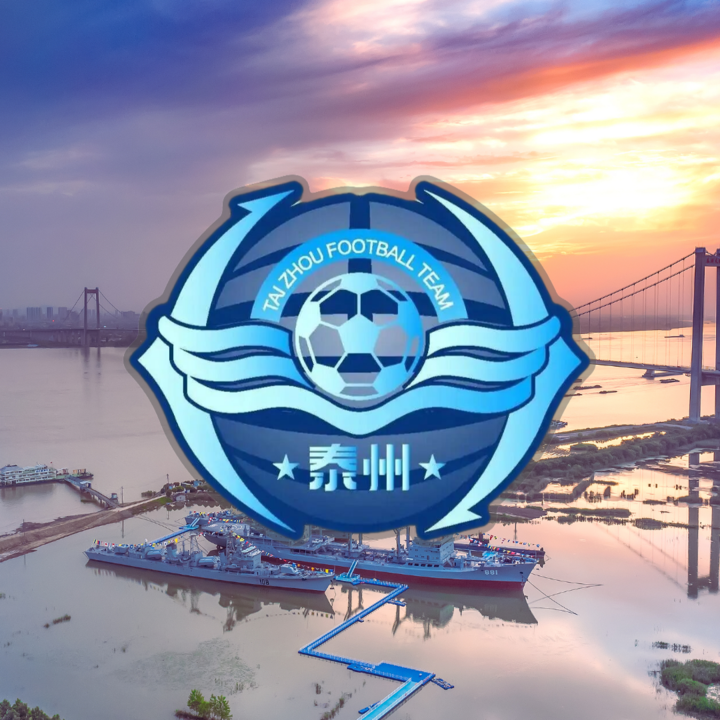
Taizhou's emblem features blue as its primary color, with three flowing lines representing the city's "Three Waters" culture (the Water Margin, Water Sleeves, and Ink Wash Painting). Anchor-like elements symbolize resilience and reflect its heritage as the birthplace of the PLA Navy. The inclusion of the 泰 Tai hexagram from the Yijing (I Ching) conveys harmony and good fortune.
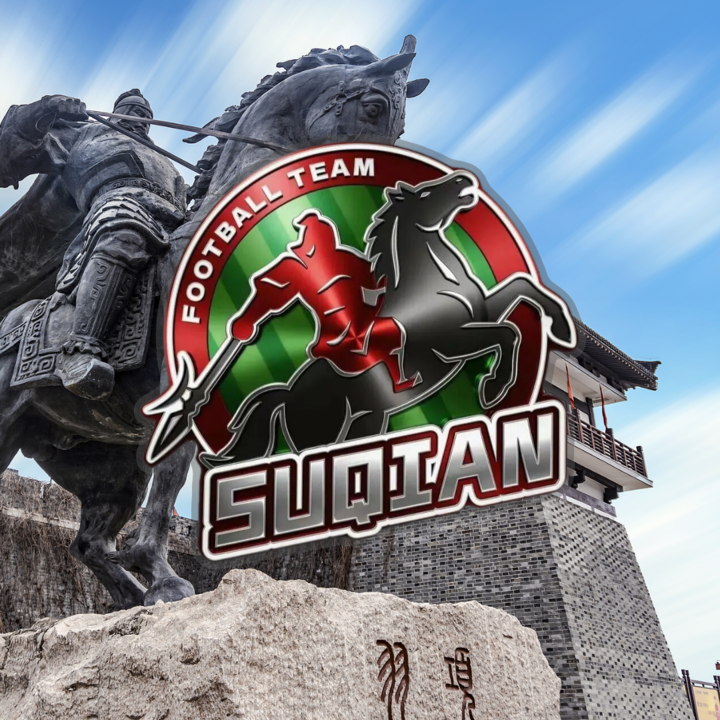
Suqian
The central figure in Suqian's crest depicts Xiang Yu, the famed King of Western Chu, clad in red armor, mounted on his legendary black steed, Wuzhui, and wielding a long halberd in a proud, commanding posture. It not only echoes Suqian's heritage as "Xiang Yu's Hometown," but also embodies the team's spirit of courage and unstoppable momentum. The green-striped background further highlights the team's vitality on the pitch.
Together, these thirteen crests, each telling a story, form a vivid mosaic of Jiangsu's regional diversity. Which crest do you like best? Which one do you think is the most creative?